
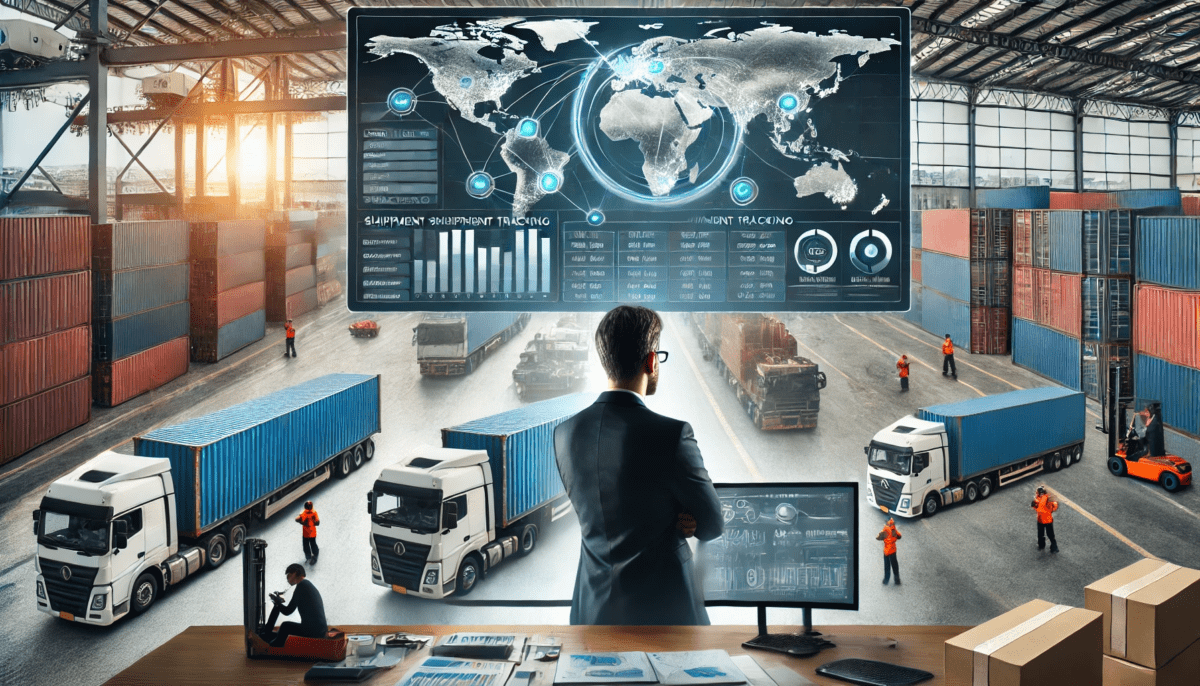
As of October 5, 2026, road freight transport in Spain will experience a before and after: the electronic control document will be mandatory for all national journeys, replacing the paper that many drivers have been using for years. This measure, driven by Law 9/2025 on Sustainable Mobility and detailed in Order FOM/2861/2012, aims to modernize logistics and put an end to the hassles of paperwork. The main objective, as explained by the Ministry of Transport, is that contract information is instantly available to shippers, carriers, consignees and inspectors, improving traceability and reducing errors. For the day-to-day life in the cab, this means that before starting the engine, the digital document must be created and ready to be shown on an electronic device during any inspection. It is important not to get confused with the acronyms: the new digital document is for national transport, while the CMR (and its digital version eCMR) remains the king for international trips between countries signatory to the Geneva Convention. But if the eCMR includes all the data required by Spanish regulations, it can serve perfectly for both types of routes. The digital document must contain key information such as who the shipper is, the carrier, the origin and destination of the cargo, the description of the goods, and the loading and unloading dates. The good news is that the ministry has not imposed a single technology, but it does require that the system guarantee integrity and authenticity; many platforms already use digital signatures and time stamping to avoid forgery, which provides security for both the driver and the company. Logistics experts are already giving their opinion, and they all agree that we must prepare without excuses. Miguel Ubeira, product manager at Visual Trans, has been clear: the fundamental requirement is that the document must exist digitally before the truck starts moving and can be verified during roadside inspections using a simple tablet or mobile phone. For her part, Natalia Blanco, general director of Apetamcor, emphasizes that this digitalization will allow the shipper, carrier and consignee to work on the same document updated in real time, being able to record incidents or deliveries on the spot. Carolina Torres, from CHEP, considers that the obligation to use the electronic document is a great opportunity to modernize a sector that often goes its own way. Regarding signatures, a detail that often causes doubts among drivers: the electronic signature will not be mandatory for the control document itself, but it will be necessary to legally prove the delivery of the goods or if you choose to use the eCMR. In those cases, an advanced electronic signature (with a recognized certificate) will be required to guarantee the identity of the signer and the integrity of the document. And the best news for wallets, especially for self-employed drivers and small fleets, is the savings. Professional associations calculate that digitalization will reduce administrative costs by between 20% and 30%, which can mean thousands of euros per year in management, printing and archiving. In addition, improved traceability is a plus for dangerous or high-value cargo. In short, Spain takes a firm step towards smarter logistics, aligning itself with European guidelines that seek more agile, transparent and sustainable processes. The Deputy Director General of Inspection at the Ministry, Ángel Soret, has already warned that there will be no transitional periods, so it’s time to get moving. Recent data indicates that although 91% of companies in the sector already use on-board telematics systems, only 10% have integrated those tools with other document management systems. That is precisely the challenge and the opportunity: to move from paper to click, gaining efficiency and avoiding unnecessary fines. Official information is published in the Official State Gazette and on the Ministry of Transport’s website, where drivers and small business owners can consult the technical specifications and deadlines.
Have any thoughts?
Share your reaction or leave a quick response — we’d love to hear what you think!
-
 0
0
-
 0
0
-
 0
0
-
 0
0
-
 0
0
