
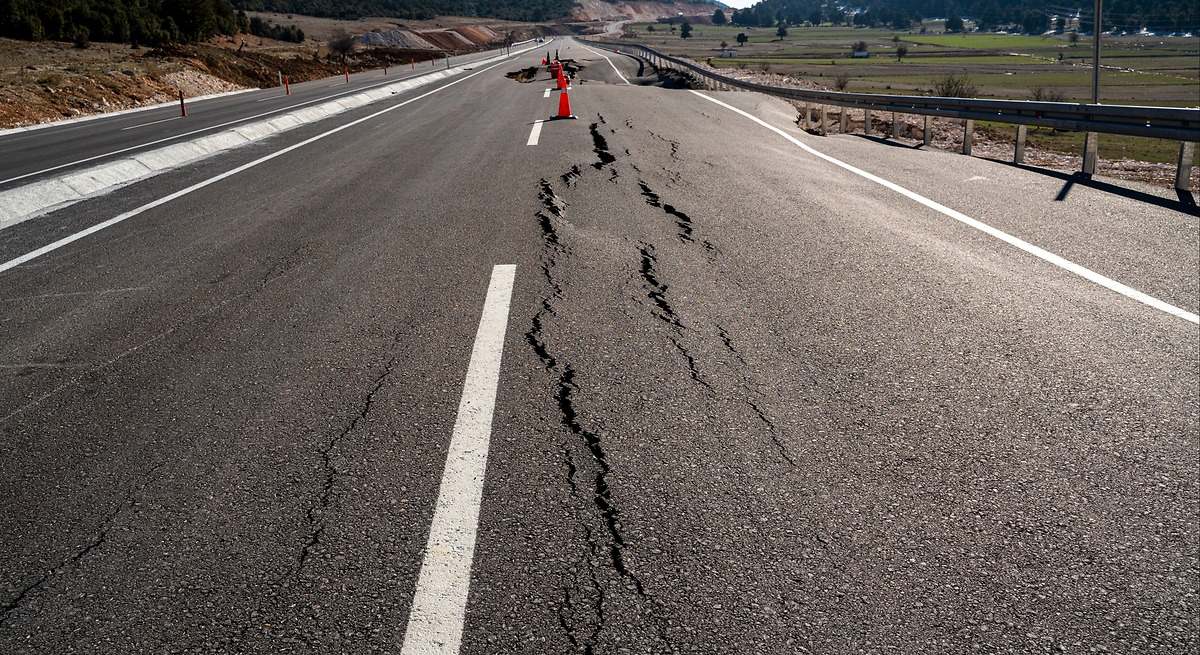
The second heatwave of the summer of 2026 is leaving a trail of deaths, deformed roads, and drivers pushed to their limits across Europe. The road freight transport sector, the backbone of the continental economy, is facing its toughest test yet.
The figures are chilling. In June alone, the Carlos III Health Institute estimated more than 1,000 heat-related deaths in Spain, more than double the 407 recorded in the same month on July 5, 2025. France exceeded 2,000 additional deaths in a single week, while Belgium registered a 39% increase in mortality. In total, preliminary data point to more than 4,000 deaths in Western Europe as a consequence of record-breaking temperatures. And although there are no official figures broken down by sector, transport workers are among the most exposed groups: they spend entire shifts in cabins that, with 35 degrees outside, can reach 50 degrees in just 30 minutes and hit 60 if the stop is prolonged.
Professional drivers, who travel thousands of kilometres across Europe, suffer prolonged exposure to extreme temperatures that increases fatigue, dehydration, and physical discomfort. This is not merely a matter of discomfort: the Dutch club ANWB warns that driving with the cabin at 35 degrees can affect the body’s reactions in a way comparable to driving with a blood alcohol level of 0.5 per mille. Up to 60% of drivers say that summer heat leaves them exhausted. And the problem is aggravated by an ageing workforce: nearly two out of three professionals are over 40, and many carry cardiovascular risk factors that extreme heat turns into a lethal threat.
But the heat does not only punish people. Infrastructure also suffers. Road surfaces begin to soften when the air temperature reaches 30 degrees, as the asphalt can rise to 40-50 degrees. In Germany, several motorways near Berlin and Hamburg have suffered damage from pavement deformation. Vehicles are also unprepared: the risks of tyre blowouts, engine overheating, and battery system failures increase. A steering wheel or plastic dashboard can exceed 70 degrees, enough to cause painful burns upon contact.
Nick Long, UK Commercial Director for SNAP, sums it up clearly: “Freight transport does not stop when temperatures rise, but extreme heat can put significant pressure on drivers, vehicles, and the supply chain in general.” He adds: “Taking a proactive approach to driver wellbeing, vehicle maintenance, and journey planning can help operators stay safe, efficient, and resilient during the summer months.”
Faced with this scenario, experts are calling for urgent measures. First and foremost, companies must review truck refrigeration and air conditioning systems before the summer. It is also essential to adjust working hours to avoid the central hours of the day, when the heat is most extreme. Drivers, for their part, need specific training to recognise the first symptoms of heatstroke and know how to act. And public administrations must invest in more heat-resistant infrastructure, because, as the European Environment Agency warns, Europe is the fastest-warming continent in the world, with temperatures rising at nearly double the global average rate.
The extreme heat of July 2026 is not an anecdote, but a warning of what is to come. As long as governments and companies continue to treat heatwaves as exceptions rather than the new normal, transport workers — and with them the entire European supply chain — will continue to pay the highest price. The question is not whether the next heatwave will come, but whether we will be prepared for it.
Have any thoughts?
Share your reaction or leave a quick response — we’d love to hear what you think!
-
 0
0
-
 0
0
-
 0
0
-
 0
0
-
 0
0
