
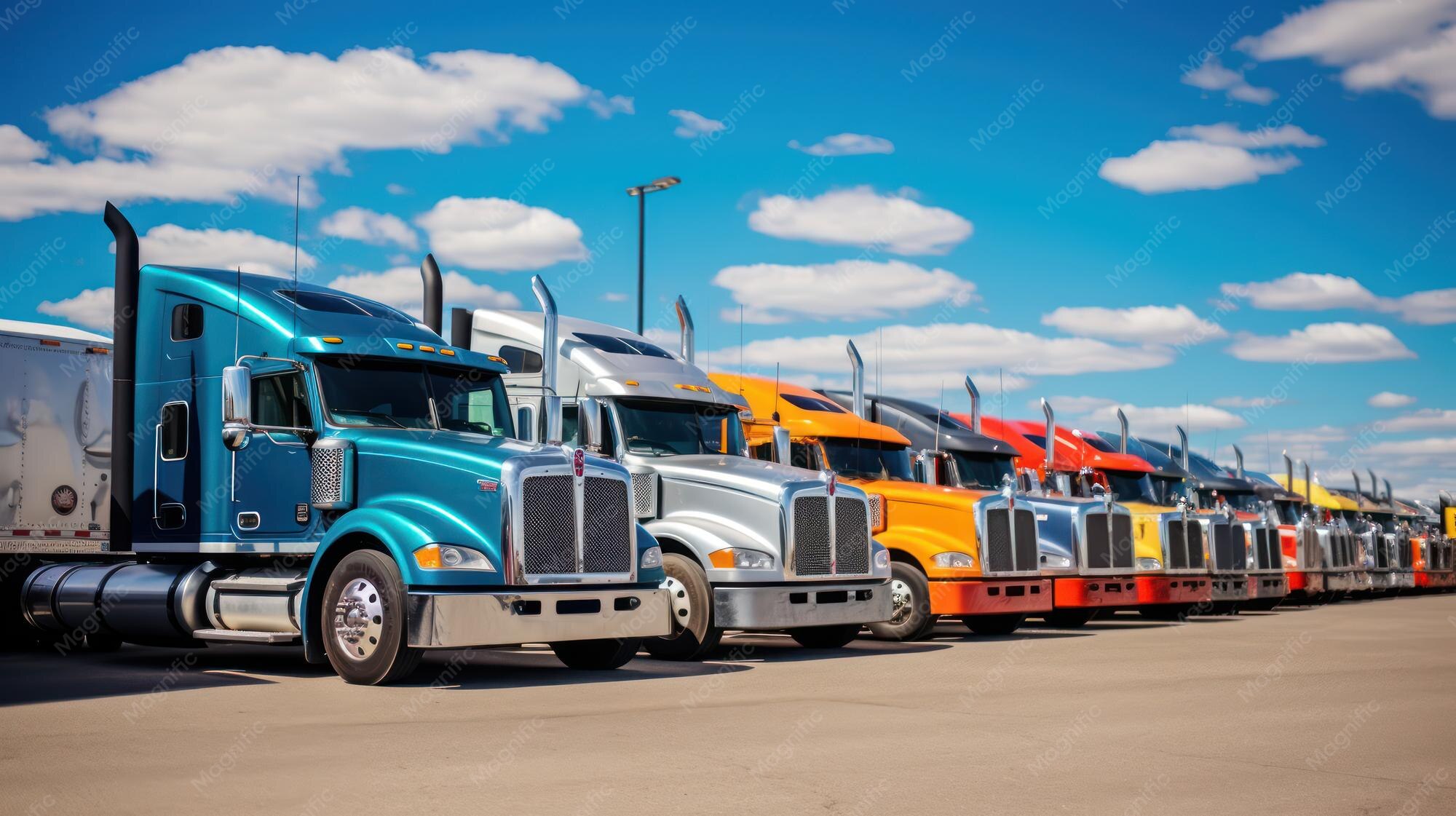
The surge in fuel prices in France, driven by geopolitical conflicts and tensions in the Middle East, has hit the road transport sector particularly hard. Diesel, the essential fuel for their activity, has seen increases that at times have approached €2.40 per litre, rapidly eroding companies’ profit margins and threatening the viability of many of them. In response to this crisis, the streets of Paris and the country’s main arteries have become the scene of a daily struggle for survival, with “snail” operations and blockades that reveal an unceasing outrage.
Faced with this pressure, the French government has deployed an arsenal of aid, though without fully easing the tension. The main tool is a partial refund scheme for the energy tax (formerly TICPE), which allows hauliers to recover part of the cost of fuel. This mechanism is complemented by emergency aid packages that injected tens of millions of euros (in March 2026, for example) to subsidise fuel by approximately €0.2 per litre. The government has also shown some flexibility, extending the application period of these aids and initially ruling out direct price controls, though without closing the door to regulating profit margins if the situation worsens.
The impact on the ecosystem of small businesses and the self‑employed has been as profound as it is uneven. Large transport companies can, in theory, pass on part of the extra cost to their customers through fuel adjustment clauses, but small firms and the self‑employed lack that bargaining power. For them, the government subsidy has been perceived as “complex, cumbersome and insufficient”. The Organisation of European Road Transporters (OTRE) has denounced that the current measures are not enough for companies operating with ever‑shrinking margins. The situation is so critical that the French government has been forced to launch emergency loans of between €5,000 and €50,000 to help these small businesses weather the storm.
The government’s response, led by Minister Philippe Tabarot, has been a campaign of targeted aid marked by caution. Aware that it cannot repeat the blank cheques of the past, the executive insists on the need for directed and sustainable support. However, this strategy has clashed head‑on with the desperation of a sector that feels the state is acting too late and poorly. The protests, which began in September 2025 under the slogan “Let’s block everything” (“Bloquons Tout”), have not ceased, with hauliers blocking refineries and slowing traffic on the approaches to Paris, revealing a widening gap between real needs and what the French executive is willing to concede.
In conclusion, France is facing a fuel crisis that is testing the limits of its welfare state and social cohesion. The government, caught between the demands of a key economic sector and budgetary constraints, has opted for a strategy of surgical, precision aid. However, for hauliers, small business owners and the self‑employed who see their daily livelihood consumed in their vehicle tanks, these measures often seem like a mere patch. The situation remains volatile, and the government has warned that aid will be adjusted on the fly, leaving the big question of whether this strategy will be enough to avoid a total economic paralysis.
Have any thoughts?
Share your reaction or leave a quick response — we’d love to hear what you think!
-
 0
0
-
 0
0
-
 0
0
-
 0
0
-
 0
0
