
Trade between Spain and Sweden has become one of the most stable and diversified flows within the European single market. During the first months of 2026, monthly turnover has remained around 600 million euros, moving essential products such as cars, medicines and fish. Spain sends mainly non-edible fats and oils (€27.3 million in February 2026) and automotive components (€25.9 million) to the Nordic country. In the opposite direction, Spanish ports receive packaged medicines worth €33.3 million, cars (€23.7 million) and fresh fish (€16.4 million). “This is a mature and balanced trade that shows how two peripheral economies within the EU need each other, despite the geographical distance,” explains Ana López, economist specialised in Nordic trade at the Spanish-Swedish Chamber of Commerce.
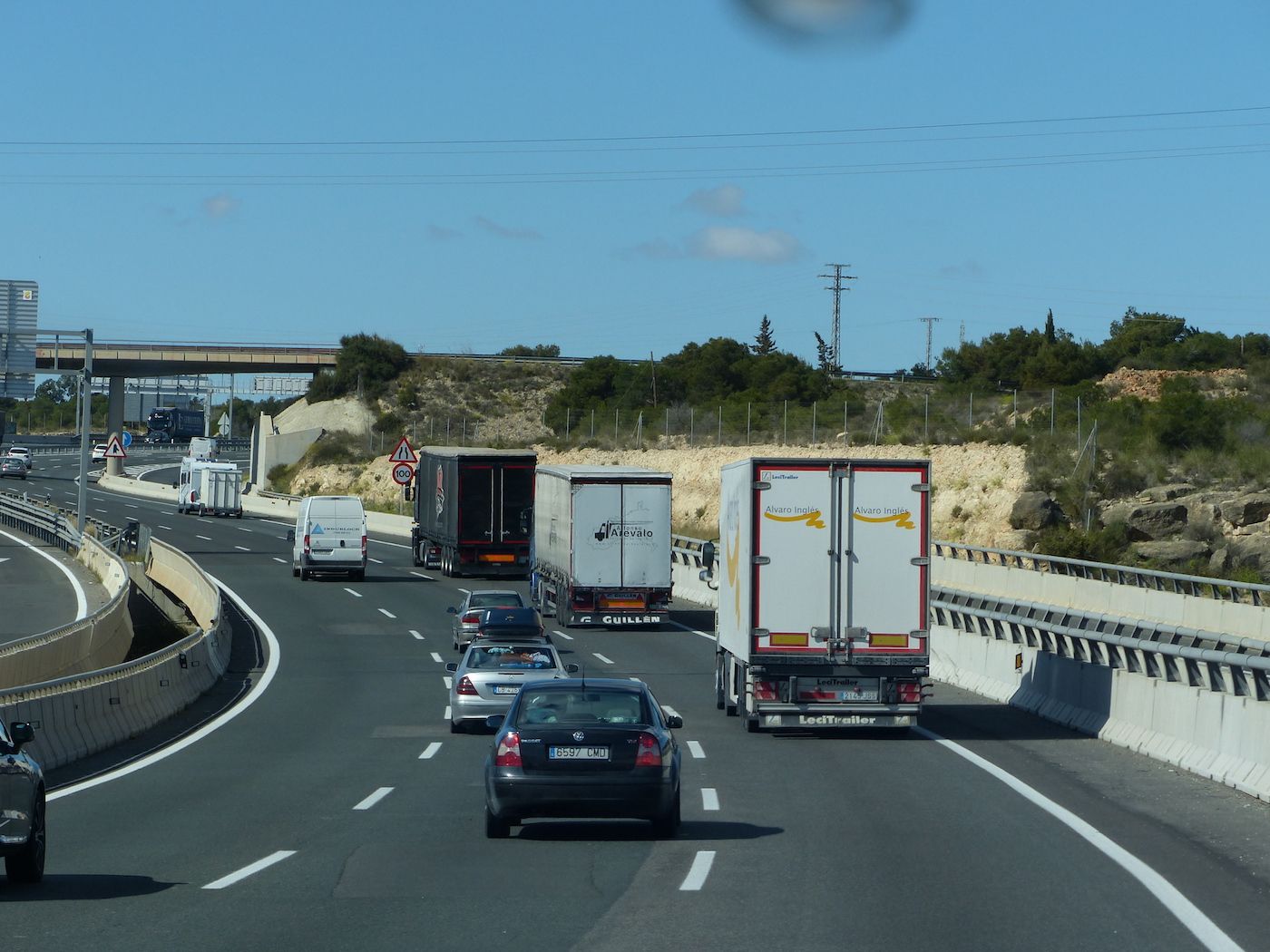
The great logistical challenge starts on the road. For Spanish hauliers, reaching Sweden means travelling more than 3,000 kilometres through France, Belgium, the Netherlands, Germany and Denmark, finally crossing the Øresund Bridge or using ferries from Germany or Poland. Ports such as Algeciras, Valencia or Barcelona act as strategic starting points. This enormous distance makes efficiency a critical factor: planning fuel, stops at specialised areas and knowing each country’s regulations is not a luxury but a necessity. “Many Spanish companies underestimate the mechanical and human wear and tear of a Nordic route. The difference between making or losing money lies in prevention and route digitalisation,” says Javier Mendoza, operations director at the hauliers’ association Fenadismer.
The legal framework protecting these exchanges is well harmonised within the European Union, although it requires constant monitoring. The Community Licence, regulated by Regulation (EC) No 1072/2009, remains the essential passport for any Spanish carrier wanting to operate in Sweden without additional permits. Moreover, Spain is a signatory to the CMR Convention, which standardises conditions, responsibilities and documents such as the consignment note. “Having these papers in order is the first defence against an inspection, but what generates the most fines is not missing paperwork, but the misuse of driving times or a poorly calibrated tachograph,” warns Marta Ríos, a lawyer specialised in international transport.
The real headache for hauliers venturing to northern Europe is the strict environmental regulations. The EU has tightened CO₂ emission reduction targets for new heavy vehicles, aiming for a 45% reduction by 2030. For trucks already on the road, Directive 1999/62/EC (revised in 2022) obliges member states to set differentiated tolls according to each truck’s emissions, calculated using the VECTO tool. “Europe has moved from recommending to demanding. Hauliers who do not renew their fleet towards less polluting vehicles will see their margins evaporate in tolls and restrictions,” argues Carlos Peña, environmental logistics consultant.
Sweden has gone a step further. Since 25 March 2025, the country applies a new toll system for heavy vehicles over 12 tonnes based directly on their CO₂ emissions. Trucks are divided into five classes: Euro 6 with low emissions pay less, while the most polluting face much higher rates. In addition, cities like Stockholm and Gothenburg have “environmental zones” (Miljözon) of class 1 or 2, where trucks over 3.5 tonnes face time or access restrictions. “I recommend checking Transportstyrelsen’s official app before each trip. A fine for entering an environmental zone without permission can exceed €1,000,” explains Erik Johansson, logistics advisor at the Swedish Road Transport Association.
Faced with this scenario, experts agree on a clear roadmap for Spanish hauliers wanting to operate successfully in Sweden. First, digitalise management with the new fully digital CEMT authorisation for 2026, which streamlines customs procedures. Second, optimise the fleet by prioritising vehicles with ECO or Zero Emissions labels, which obtain toll exemptions and priority access to urban centres (such as the Eurovignette exemption for zero-emission trucks until 2031). Third, train drivers in the use of the second-generation smart tachograph and driving time rules. “An inspection at a Danish or Swedish border control can be very costly if you haven’t invested in training. The margin is in the details,” concludes Ana López. The north demands preparation, but also offers reliable and growing trade for those who know how to adapt.
Have any thoughts?
Share your reaction or leave a quick response — we’d love to hear what you think!
-
 0
0
-
 0
0
-
 0
0
-
 0
0
-
 0
0
