
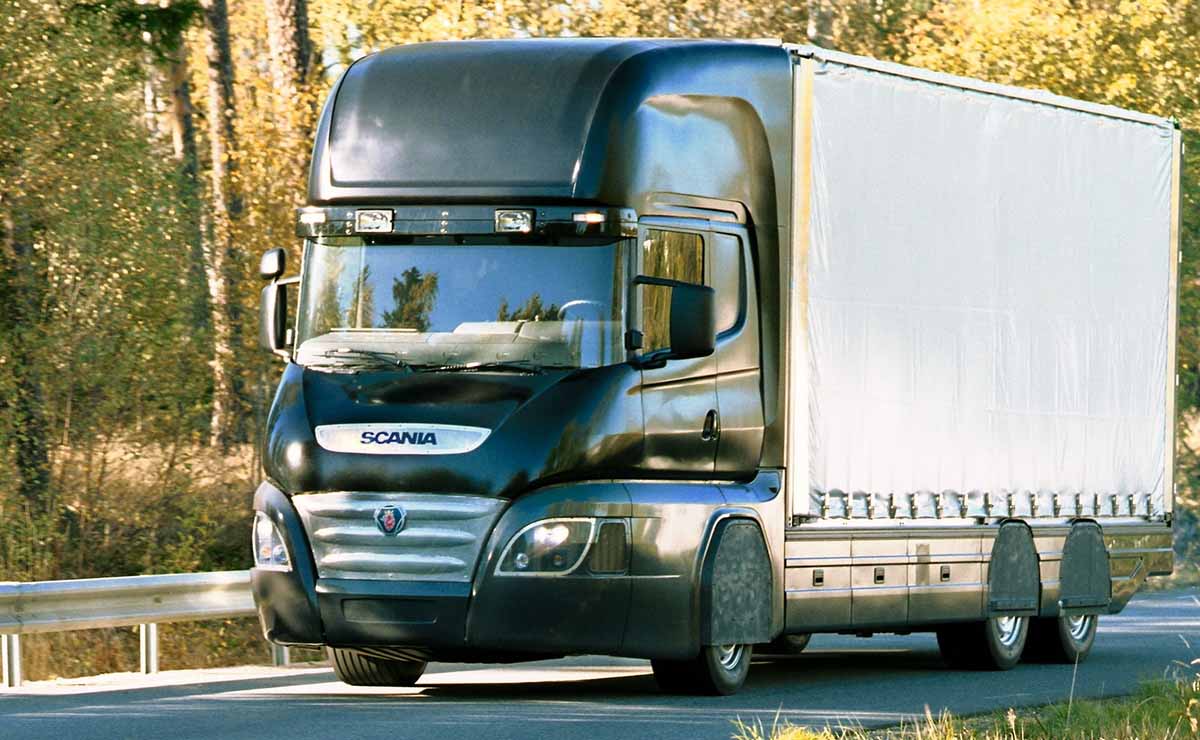
The route to northern Europe is a challenge that many Spanish transport operators have already decided to take on, turning the connection with Sweden into one of the most demanding – yet also one of the most stable – on the continent.
The road journey from the Iberian Peninsula to Scandinavia is an odyssey covering thousands of kilometres. The most strategic route for hauliers starts from the major logistics hubs of Barcelona, Madrid or Vitoria, crossing France, Belgium and Germany.
Once in Hamburg, the key to saving time and avoiding wear and tear on Danish roads is to take a ferry from Travemünde to Trelleborg, on the Swedish coast. From there, the backbone route towards Stockholm is the E4 motorway, Sweden’s great arterial road.
Setting foot on Swedish soil means complying with very specific regulations. For trucks over 12 tonnes, the use of motorways and dual carriageways is subject to tolls via the Eurovignette system. Moreover, from 2025, climate requirements have become stricter: from 1 December to 31 March, all heavy vehicles are required to use winter tyres, regardless of road conditions. This regulation, which seeks to prioritise safety in a country with extreme winters, is one of the first logistical barriers that drivers must overcome.
Trade between the two countries is intense and diverse. In February 2026 alone, the flow of goods exceeded €590 million, reaching near equilibrium between exports and imports. Spain sends Sweden mainly fats and oils, cars and vehicle components. In the opposite direction, Swedish industry supplies Spain with pharmaceutical products, high-end vehicles and fresh fish, demonstrating a strategic, high-value two-way connection.
For drivers accustomed to the Mediterranean climate, facing the Scandinavian winter is a major psychological barrier. Thermometers can plunge below -30°C, turning roads into genuine ice rinks. However, industry sources stress that Swedish roads are exceptionally well-prepared and local drivers are very cautious, which reduces danger if proper precautions are taken. But the real enemy, experts warn, is not only the cold but also mental fatigue and darkness, recalling that “no load is more important than life and safety”.
Experts in the Nordic sector insist that foresight and patience make all the difference. Beyond changing driving style and maintaining safe distances, professionals agree that truck preparation is sacred: checking tyre pressure, keeping lights permanently on, and ensuring anti-ice systems are working. Sweden’s 2025 regulation, which mandated compulsory winter tyre use throughout the season, adds an extra layer of safety and order to these journeys, further professionalising logistics to the north.
Taking on the journey to Sweden is not madness but a calculated business decision that sets apart the most professional transporters. Although the climate is unforgiving, the road and service network is first-rate, and bilateral trade remains a constant source of work. For Spanish transport companies, mastering this route means not only a challenge but also an opportunity to grow in one of the most prosperous and demanding markets in the European Union.
Have any thoughts?
Share your reaction or leave a quick response — we’d love to hear what you think!
-
 0
0
-
 0
0
-
 0
0
-
 0
0
-
 0
0
