
Hand on the wheel and constant notifications about tolls, new regulations or decarbonisation can be overwhelming. That is why, from this newsroom, we have synthesised for you, the driver, the current state of transport in Portugal. Far from the offices, we tell you the reality of the road and the changes that are already on the asphalt.
Portugal is experiencing a real revolution in its warehouses and logistics centres, which translates into greater loading and unloading efficiency. Large investments, such as Mercadona’s in Almeirim, are modernising the sector and speeding up supply chains. For you, this means less waiting time and better route planning, as goods flow more precisely.
Regarding commercial connections, Portugal is consolidating itself as a key bridge between Europe and the Atlantic. The ports of Sines and Leixões, together with a motorway network of 14,342 kilometres, allow agile goods transit. International drivers will find a well-connected network with Spain, although it is crucial to know the access points and avoid rush hours at border crossings, especially in a country where 83% of motorways are toll roads.
The Portuguese government is clear that the future lies in railways. Multi-million euro investments in high-speed lines and new bridges over the Tagus River aim to relieve road congestion. For hauliers, this could translate into a medium-term redistribution of freight, reducing congestion on the busiest motorways such as the A1 or A2, and extending the lifespan of the asphalt we tread so much.
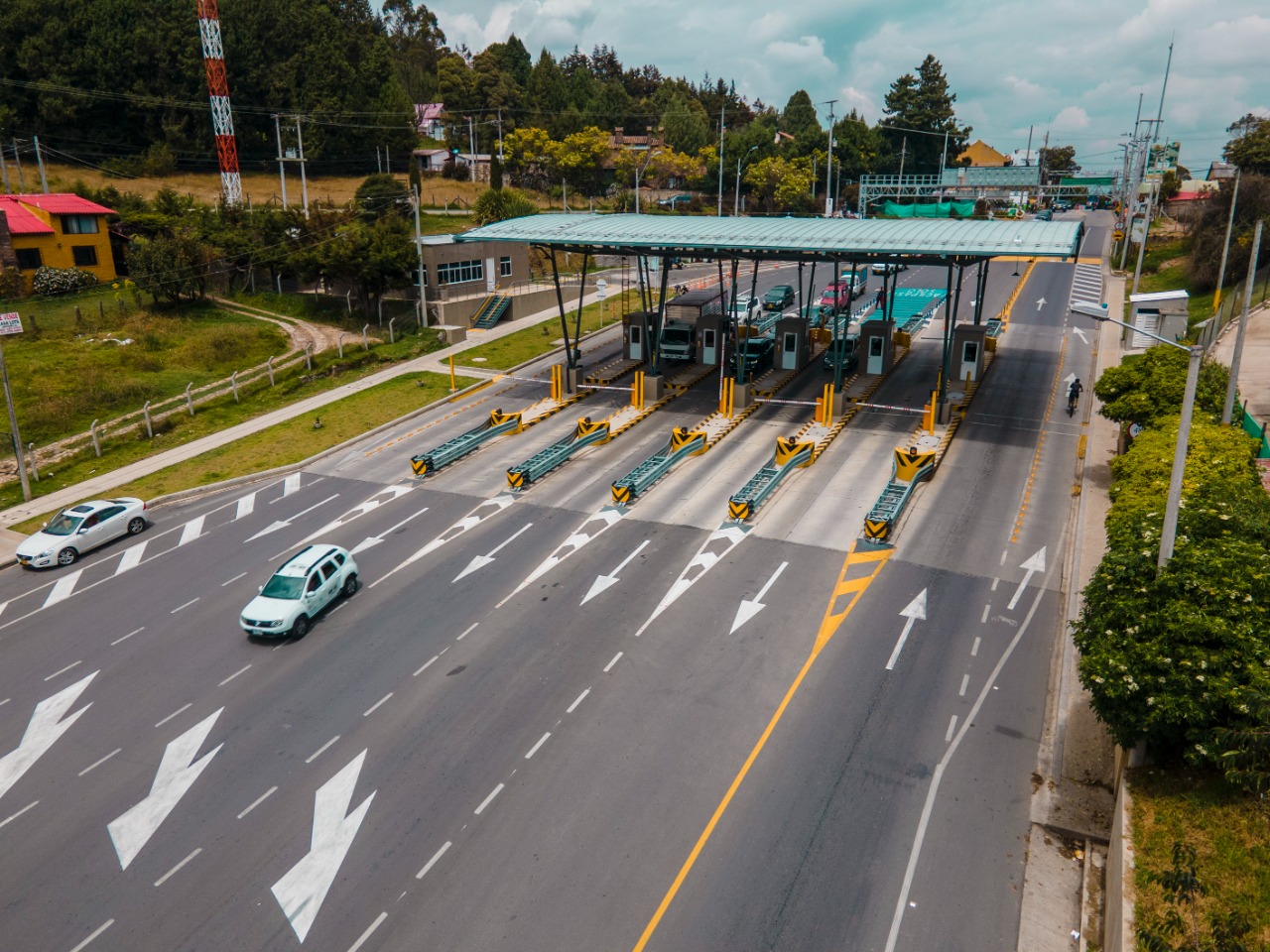
Now, let’s talk about what really hits the pocket: tolls. Attention drivers, because there are new developments. Since early 2026, heavy trucks circulate for free on the A41/CREP, A19 and A18 ring roads. In addition, in the Alentejo region, sections of the A2 and A6 have been exempted from payment. It’s not a ‘free for all’, but it is a financial breather you need to know about to plan your routes and save on costs.
Climate change is no longer a future issue; it is a reality affecting us in the present. Portugal’s CO₂ reduction strategy is ambitious and is already being felt on the roads. Large fleets, such as Luís Simões, are already running electric trucks with 500 km of range, and the commitment to rail seeks to shift 70% of the freight that currently goes on wheels to rails. What’s the message? Electrification and energy efficiency are the way forward, and it’s time to train in these new technologies.
In conclusion, we are at a turning point. Portugal offers top-level infrastructure and is taking measures to make life easier for hauliers with toll exemptions. However, the sustainability challenge forces us to modernise. The recommendation for all drivers is clear: get informed, adapt, and join the change. The opportunities are there, on the road, for those willing to take the wheel of the future.
Have any thoughts?
Share your reaction or leave a quick response — we’d love to hear what you think!
-
 0
0
-
 0
0
-
 0
0
-
 0
0
-
 0
0
