
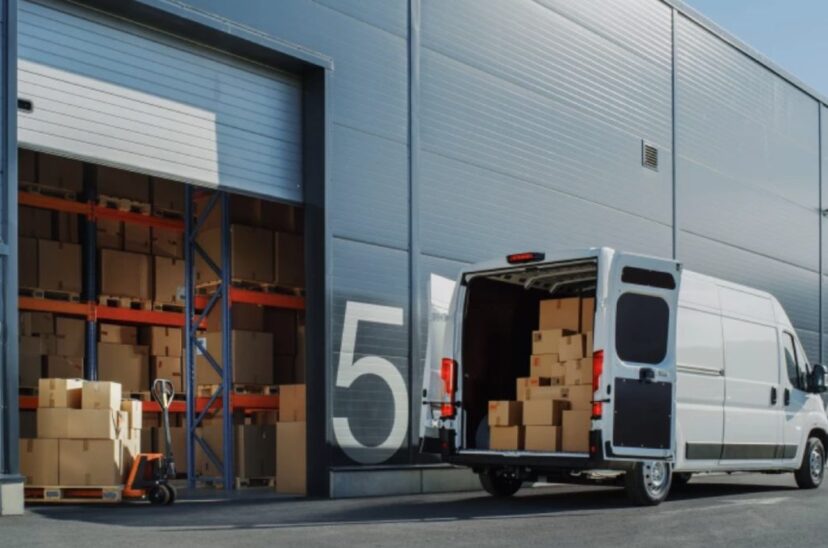
Have you ever felt that the packages you order online arrive almost before you’ve closed the webpage? That feeling of modern magic has a less poetic and much more down‑to‑earth explanation: the so‑called last‑mile logistics – that final link from the distribution centre to your door – has become the great secret behind the success of e‑commerce in Spain.
A recent publication from March 2026, written by specialist Diego Torres, dissects this phenomenon and reveals that in just two years, the average delivery time in the country has dropped from nearly three days to less than one and a half days. Behind that apparent simplicity lies a true silent revolution that is changing how we shop, live and understand our cities.
At the heart of this transformation is a multi‑million euro investment that, although it may seem like something only large corporations can afford, is already affecting every consumer’s pocket and patience. According to Torres’s analysis, more than seven out of every ten euros of shipping costs are swallowed precisely by this last mile, forcing companies to rethink their entire model.
In 2025, the sector mobilised billions of euros to fill cities with micro‑warehouses and electric vehicle fleets, cutting the distance from warehouse to buyer from forty‑five kilometres to barely twelve. The result is that today, at the end of May 2026, cities like Madrid and Barcelona are already flirting with deliveries in under two hours – a luxury unthinkable just a handful of years ago.
But not everything is good news, nor does the magic wand work equally across the whole country. The publication itself warns of a worrying gap: while urban centres enjoy dizzying speed, rural areas of Spain still face delivery times of three or four days – a difference that threatens to deepen territorial divides. The government has launched initiatives such as the digital rural logistics programme, which has already connected more than two thousand villages with regional hubs, but the challenge remains enormous.
The last mile, the report reminds us, is not just a business problem; it is a matter of social cohesion and opportunities for those who live far from major population centres.
What is most fascinating about the analysis is how technology has become invisible yet omnipresent. Artificial intelligence, far from being a promise for the future, is already deciding which routes the vans take, anticipating what each neighbour will buy based on their habits, the weather or even local events. Torres cites the example of the Madrid‑based startup DisruptLogistics, which with barely fifty employees manages thousands of daily deliveries using algorithms that coordinate autonomous couriers and smart pickup points.
This hyper‑automation, which already allows returns to be collected and new packages to be delivered on the same trip, has increased customer satisfaction by nearly a quarter and reduced operating costs by about one‑fifth.
However, the sector is walking a tightrope. The first major headache is sustainability: last‑mile deliveries already account for a quarter of urban CO2 emissions from transport, and the new low‑emission zones in Madrid and Barcelona are putting diesel vehicles out of play. The second is the shortage of specialised talent, with a deficit of around twenty thousand professionals between data analysts and autonomous fleet managers. Added to this is regulation that moves at a snail’s pace: delivery drones, despite successful tests in Valencia, still operate in a legal limbo that holds back their mass deployment.
Even so, the underlying message is optimistic and unequivocal. Torres’s publication concludes that last‑mile logistics has ceased to be a mere secondary service and has become the nervous system of the future of commerce. In a Spanish market that already exceeds eighty‑nine billion euros per year, the difference between leading or falling behind is measured in delivery minutes and in the ability to adapt to an increasingly demanding consumer. Next time you receive a package in record time, you will remember: it was not magic, but a silent, costly and necessary revolution that is finally greasing the wheels of e‑commerce across Spain.
Have any thoughts?
Share your reaction or leave a quick response — we’d love to hear what you think!
-
 0
0
-
 0
0
-
 0
0
-
 0
0
-
 0
0
