
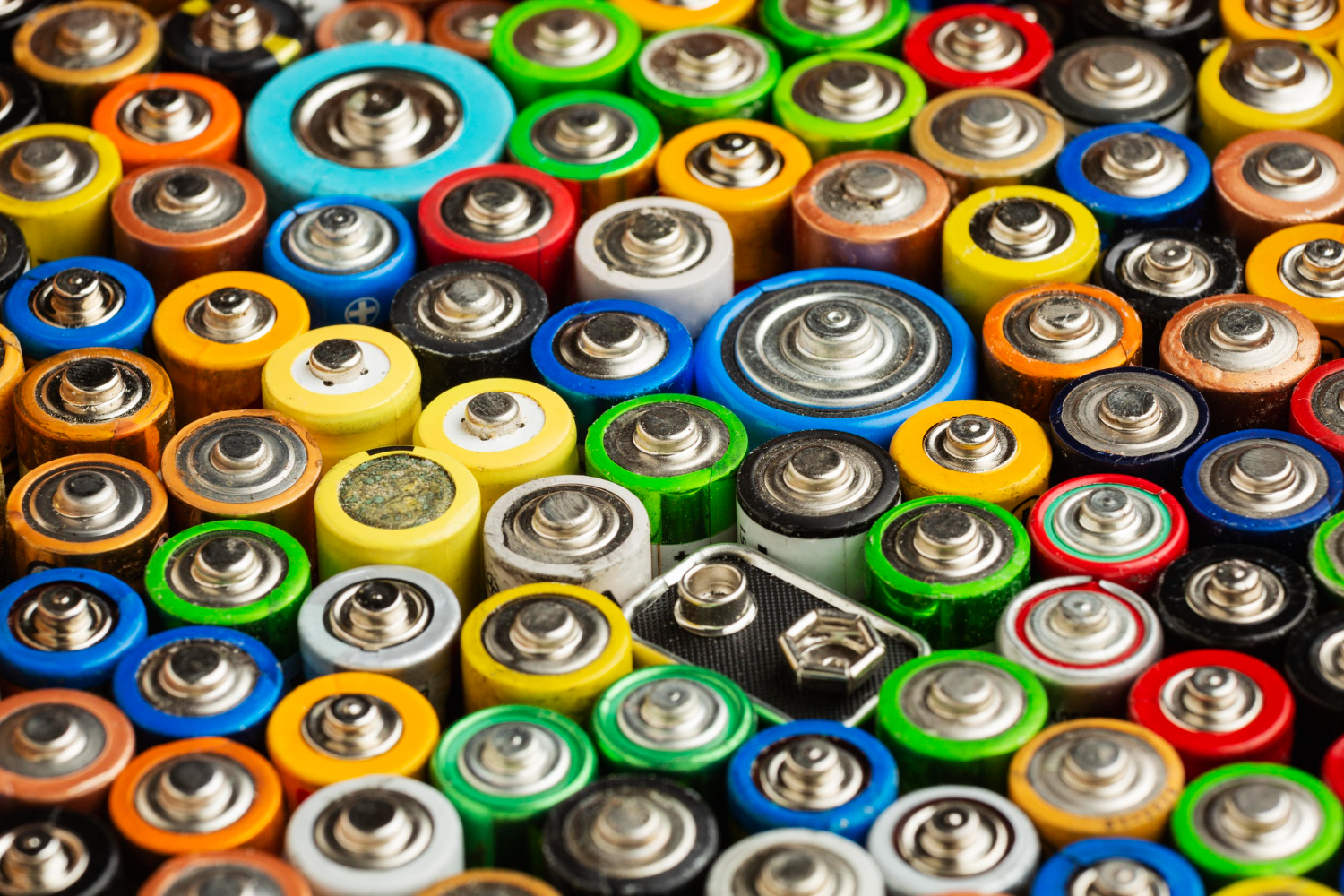
What until very recently was a laboratory promise has become, in 2026, an unstoppable industrial reality. Sodium-ion batteries, a technology many prematurely dismissed when lithium conquered the world, are now leading what analysts call “the takeoff of dual chemistry.” This year has witnessed a historic milestone: the first mass-produced electric car with sodium batteries has arrived at Chinese dealerships, courtesy of Changan Automobile and CATL (Contemporary Amperex Technology Co. Limited), demonstrating that the lithium alternative is not only technically viable but can be cheaper, safer, and especially more resilient in extreme conditions. The prestigious MIT Technology Review has included this technology in its list of the ten revolutionary breakthroughs of 2026, emphasizing that “a cheaper, safer, and more abundant substitute for lithium is finally arriving in cars and the electrical grid.”
China holds undisputed leadership in this revolution, becoming the global epicenter of sodium battery innovation and production. According to the latest market reports, the Asian giant concentrates more than sixty percent of the global market and holds over ninety-five percent of the installed and announced capacity for 2030. The figures speak for themselves: giant CATL launched its Naxtra product line in 2025 and has already started large-scale manufacturing, while its direct competitor BYD (Build Your Dreams) is building a massive production facility in Xining with a capacity of thirty gigawatt-hours and is developing batteries that retain up to eighty-five percent of their capacity at twenty degrees below zero. These heavyweights are joined by other key players like HiNa Battery, a pioneer in cylindrical sodium batteries operating in a temperature range from forty degrees below zero to eighty degrees Celsius, or BenAn Energy, specializing in aqueous systems for residential and industrial storage.
The global market reflects this dynamism with spectacular figures. According to data from Fortune Business Insights, the sector reached a value of one billion eight hundred thirty million dollars in 2025 and is projected to reach seven billion eighty million dollars in 2034, with a compound annual growth rate of fifteen point forty-nine percent. However, not all analyses agree on the magnitudes: while some forecast more conservative growth, others like QYResearch estimate that the Chinese market alone will reach three hundred thirty-six billion seven hundred seventy million yuan (about forty-six billion five hundred million dollars) in 2033, with an annual growth rate of thirty-three point eighty-eight percent. What nobody disputes is that the Asia-Pacific region dominates with a firm hand, reaching a share of sixty point twenty-two percent in 2025, driven by China, India, and Japan.
The reception of this technology is being particularly enthusiastic in the stationary storage sector, which accounts for no less than seventy-eight point six percent of the current market. Sodium batteries are finding their natural niche in backup systems for renewable energy, where their lower energy density (currently around one hundred sixty to one hundred seventy-five watt-hours per kilogram) is not a drawback compared to their advantages in cost, safety, and durability. But electric vehicles are also starting to gain ground: the transport sector accounts for twenty-six point eight percent of the market and shows promising growth, especially in short and medium-range vehicles, scooters, and urban delivery fleets. Cities like Shenzhen are already piloting sodium battery swap stations to support commuters and delivery workers, and scooter manufacturer Yadea launched four two-wheeled models powered by this technology in 2025.
Facing Asian dominance, Europe and the United States are trying to close the gap with their own initiatives. The old continent, which according to IMARC accounted for more than forty-two percent of the market in 2025, features relevant players such as British Faradion (acquired by Indian conglomerate Reliance), French Tiamat specializing in high-power cells, Swedish Altris with its innovative “Prussian White” cathode, and Scottish AMTE Power, whose “Ultra Safe” cell was the first European to obtain UN38.3 certification for safe transport. Across the Atlantic, Natron Energy has become the first US company to produce sodium batteries at commercial scale at its plant in Holland, Michigan, with an annual capacity of six hundred megawatts, focused especially on powering data centers that support the rise of artificial intelligence.
In short, 2026 will go down in history as the year sodium-ion batteries definitively left the realm of futuristic promise to become a full-fledged industrial player. The warning from the International Energy Agency, which still considers them “a very green technology to compete head-to-head with lithium,” does not overshadow the fact that they have found their own space in the global energy ecosystem. With lithium subject to geopolitical and supply tensions, sodium emerges as that strategic complement that completes the picture: cheaper, safer, more cold-resistant, and above all, available to everyone in every glass of seawater. The future of energy storage, it seems, will be a two-horse race.
Have any thoughts?
Share your reaction or leave a quick response — we’d love to hear what you think!
-
 0
0
-
 0
0
-
 0
0
-
 0
0
-
 0
0
