
Denmark has become an undisputed benchmark in the transition of transport towards new clean technologies, demonstrating that profound change is not only possible but is already a reality on its roads and in its cities.
With a car fleet being electrified at an unprecedented rate, the Scandinavian country offers valuable lessons for transport sector professionals facing the challenge of modernising their fleets. In 2025, battery electric cars reached 68.5% of new registrations, a figure that rose to 81.6% in February 2026. This change, already structural and cultural, shows that when smart tax policies and adequate charging infrastructure come together, the adoption of zero-emission vehicles accelerates naturally, moving from a niche option to the main choice for drivers.
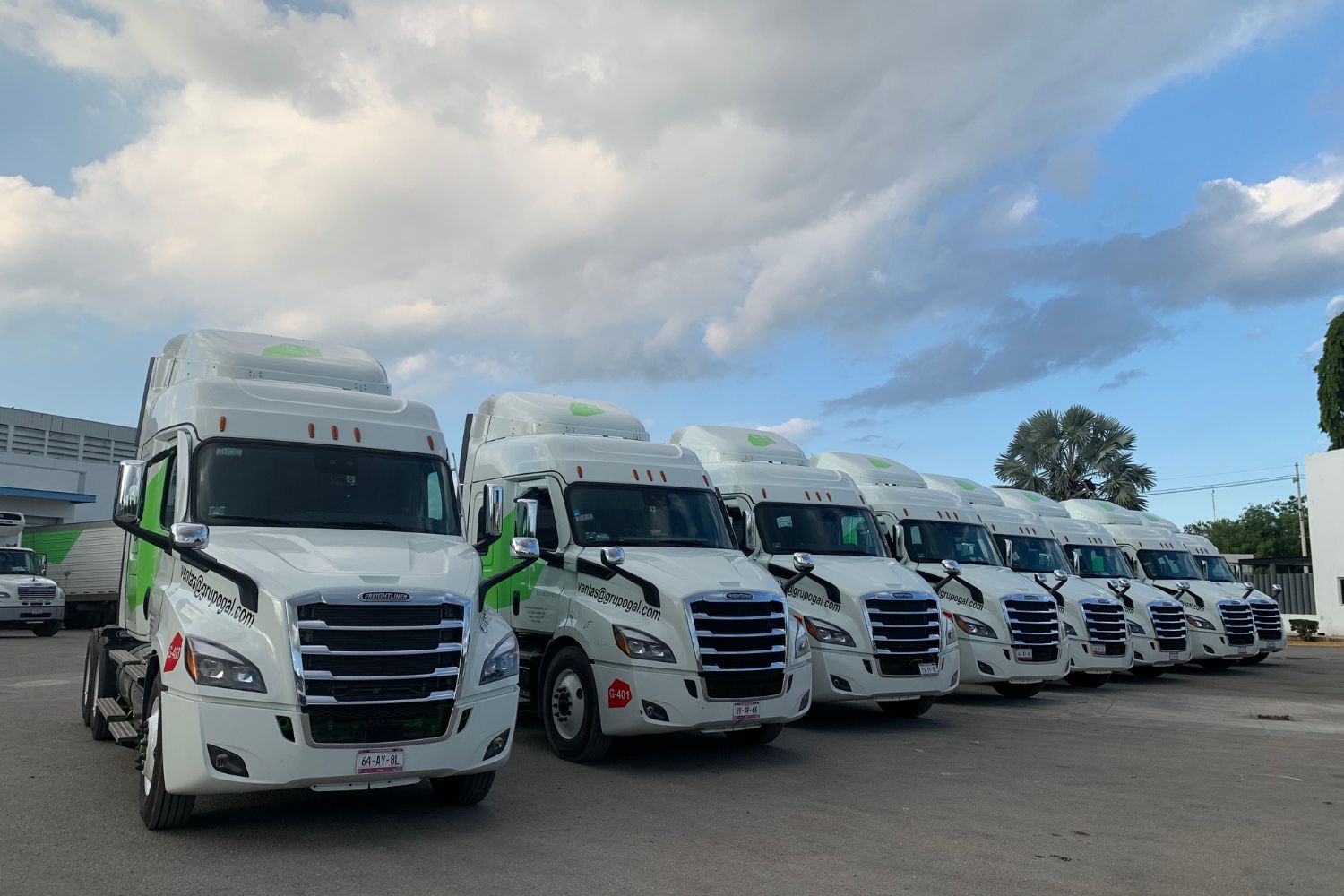
Denmark’s commitment to clean transport goes far beyond private cars and extends decisively to the professional and public transport segments. In 2025, 30.9% of vans sold were already electric, while electric trucks doubled their market share to reach 14.8% of registrations.
Perhaps the most emblematic milestone has been achieved by Copenhagen, which has completed the total electrification of its urban bus network, with 72% of its fleet already running on electricity, including line 5C, the country’s busiest, carrying 17 million passengers a year. Copenhagen’s mayor, Sisse Marie Welling, called this achievement “a great milestone that makes a big difference for the climate and the air we breathe every day”.
For road freight transport, the Danish government has significantly expanded its support programme, increasing the budget for electric trucks from 75 to 425 million Danish kroner for the 2025-2026 period, reflecting strong market interest in zero-emission heavy vehicles. Furthermore, the country’s first megawatt charging station has already been inaugurated, a crucial step to meet the high-power charging needs of electric trucks.
In Denmark’s major cities, priorities are clearly defined towards creating more liveable, zero-emission urban spaces, and they are implementing concrete measures to achieve this. Copenhagen has already decided to introduce its first zero-emission zone in the Inner Vesterbro district, and Aarhus plans to do the same – a clear message that vehicles with fossil fuel combustion engines will see their access to urban centres restricted in the near future.
Mads Rørvig, Director General of Mobility Denmark, puts it bluntly: “Our assessment is that zero-emission zones will have an immediate effect on car sales, because drivers will want a vehicle that can go where they want, even in two or three years’ time.” This combination of “stick and carrot” policies – penalising polluting vehicles while incentivising clean ones – is accelerating fleet renewal and pushing the sector towards more sustainable mobility.
The rise of e-commerce has placed last-mile logistics at the centre of the debate, and Denmark is tackling this challenge with innovative solutions that combine efficiency and sustainability, offering real opportunities for carriers. Companies such as DHL Express have already electrified more than 43% of their vans in the country, aiming to reach 60% by 2030, while GLS operates 158 electric delivery vehicles and tests cargo bikes in Copenhagen and Aalborg. The food delivery platform Wolt has launched a €400,000 fund in Copenhagen to help its couriers rent electric bikes and mopeds, recognising that 80% of its carbon footprint comes from deliveries. A 200+ page report from the Green Mile project, prepared by consultancies such as Cowi and EY, seeks precisely to find greener solutions for urban goods delivery. Michael Axelsen of Two Wheel Company sums up the city’s spirit well: “Every city wants to get rid of cars, and that’s exactly what’s happening in Copenhagen.”
The Danish transport sector appears united and optimistic about the challenge of decarbonisation, although its own actors recognise that significant barriers remain, especially in the heavy transport segment. The logistics company Danske Fragtmænd, with a fleet of 1,800 trucks, has started replacing its diesel vehicles with electric trucks, motivated both by environmental reasons and by explicit customer demand. At a recent conference on the green transition of heavy transport held at the Port of Aarhus, Jesper Høgh Bach, Director of Commercial Vehicle Solutions at Norlys, delivered a message of hope: “Ports have a central position in the Danish transport industry, so if we can succeed in ports, we can succeed everywhere. There is nothing today that cannot be done with the electrification of heavy transport.”
However, not all challenges have been solved. Claus Linnemann, Commercial Director of the OK organisation, warns that although the number of electric trucks has grown by 88% in one year, they still represent only a small percentage of the total, and “the barriers are significant”, as many carriers find it difficult to make the investment profitable without adequate policy incentives.
Denmark shows that the transition is a path taken step by step, with an eye on a future where the last mile is clean, efficient and profitable for all.
Have any thoughts?
Share your reaction or leave a quick response — we’d love to hear what you think!
-
 0
0
-
 0
0
-
 0
0
-
 0
0
-
 0
0
