
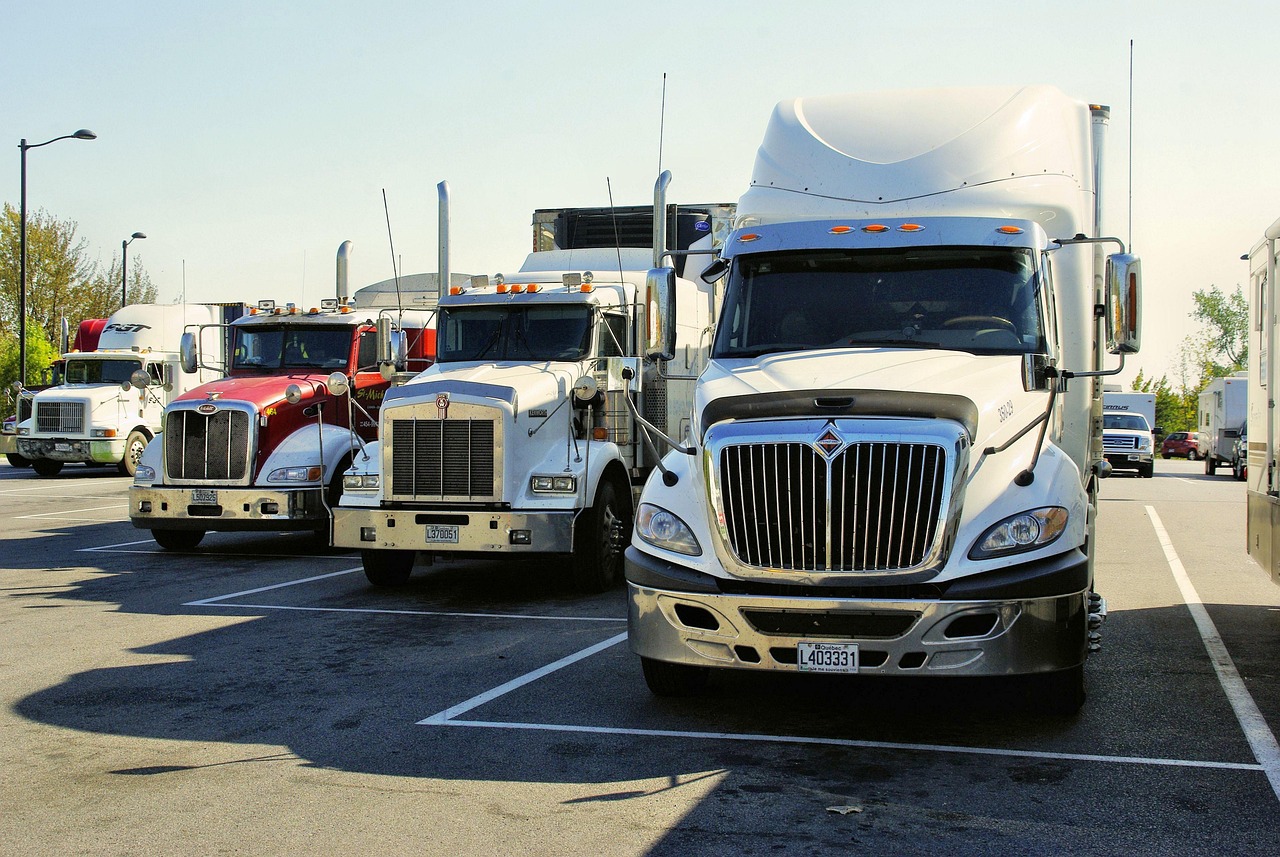
Bulgaria is at a crossroads, moving forward with a steady but not stumble-free pace towards the decarbonisation of its freight transport sector. The regulatory machinery is already in motion: in 2025, the Bulgarian Parliament incorporated the emissions trading scheme (ETS2) for transport into its legislation, and a year earlier, the European Commission had given the country a two-month deadline to implement ecological tolls for trucks linked to their CO₂ emissions, under threat of an infringement procedure. To meet the EU’s ambitious goals, which include reducing heavy-duty vehicle emissions by 90% by 2040, the country has allocated €613 million from its National Recovery and Resilience Plan in subsidies for the purchase of electric vehicles. However, reality is stubborn: the Bulgarian fleet is one of the oldest in the Union, and the transition is progressing at a pace that experts describe as “slow”, clashing with a still incipient charging infrastructure.
To combat pollution, Bulgarian cities are implementing Low Emission Zones (LEZs), directly affecting goods distribution. Sofia, the first Eastern European capital to have one, has tightened its restrictions: since December 2025, the most polluting vehicles are banned from the “small ring” and, since this year, also from the “large ring”. More than 180 cameras monitor compliance, and fines can reach 1,000 leva for companies. This requirement has drastically reduced the entry of highly polluting vehicles into the city centre, but has created an operational challenge for carriers, who must renew their fleets to access these zones. As Sofia’s deputy mayor, Nadezhda Bobcheva, stated: “A car can be a convenience, but health is priceless.”
Faced with this scenario, the freight transport sector is seeking alternatives, not all of which involve electrification exclusively. While the adoption of heavy electric trucks is modest and the charging network is only beginning to develop thanks to European funds, some pioneering companies have already shown the way. Gopet Trans, a prominent Bulgarian logistics firm, has outlined a clear roadmap: it aims to increase the share of electric and LPG trucks in its fleet to 50% by 2030, as well as increase its intermodal shipments by 20%. Other companies, such as Eurospeed, are betting on aerodynamic EcoGeneration trailers to reduce fuel consumption and CO₂ emissions by more than 5%. The sector’s unease was bluntly expressed by Georgi Zagorov, manager of Turbotrucks Bulgaria, who stated that “business is under serious pressure from European requirements in the context of the Green Deal”.
The rise of e-commerce in Bulgaria is putting additional pressure, demanding an adaptation of the last mile that combines sustainability, efficiency and customer satisfaction. Light commercial delivery vehicles have become a booming market, driven by the demand for fast deliveries. Bulgarian tech companies are already providing answers to this challenge, such as the startup Ivery, which has designed an electric microcar with a 100 km range and a battery-swapping system to optimise food and parcel delivery in congested urban environments. However, the barrier remains the lack of charging infrastructure, as its limitation continues to be one of the main obstacles for companies.
The voice of experts and logistics operators is unanimous in pointing out that the success of this transformation depends not only on technology, but on an integral strategy and a change of mindset. Tsvetomir Uzunov, CFO of the carrier Discordia, stated a maxim: “The sooner we start building a good charging infrastructure, the cheaper the price will be.” His company has already managed to reduce its emissions by 50 kg per vehicle per day. Meanwhile, Bulgaria is participating in European projects such as “Clean Freight Futures” to strengthen the local implementation of EU climate goals, as well as in pan-European consortia to install hundreds of charging points for heavy vehicles. The pressure from Brussels is a spur, but the sector calls for realistic deadlines and a roadmap that allows the progressive adaptation of heavy vehicles.
Bulgaria is immersed in a complex long-distance race towards meeting its climate targets for 2050. The combination of Low Emission Zones, the renewal of an ageing fleet, the incipient charging network and innovations for the e-commerce last mile draw the picture of a sector in full ferment. Success will depend on continued funding, public-private collaboration, and above all, the ability to accelerate the pace of electrification and alternative energies, without leaving the small and medium-sized enterprise sector behind on the road to a low-emission future. The diagnosis is clear, but the logistical and financial challenge for Bulgarian carriers remains colossal.
Have any thoughts?
Share your reaction or leave a quick response — we’d love to hear what you think!
-
 0
0
-
 0
0
-
 0
0
-
 0
0
-
 0
0
