
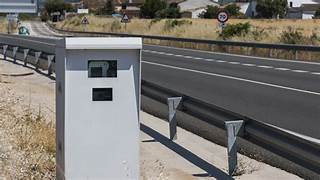
Artificial intelligence has a new mission on Spanish roads. Far from being limited to speed control, the General Directorate of Traffic (DGT) has begun using machine learning algorithms and thermal sensors to monitor the interior of vehicles. The objective is to ensure that lanes reserved for High-Occupancy Vehicles (HOV) are used exclusively by cars carrying more than one passenger—a measure aimed at reducing congestion on the approaches to major cities and which is already resulting in the first fines.
These novel devices, already operating at strategic points such as the A-2 highway near Barajas in Madrid, do not photograph speed but rather the vehicle’s cabin. Thanks to a combination of high-resolution cameras and infrared technology, the system can scan the car’s interior even through tinted windows or in low-visibility conditions. Artificial intelligence processes the images in real time, distinguishing drivers traveling alone from those complying with regulations by carrying passengers, including minors or babies in child seats.
The deployment of this technology responds to a structural mobility problem: traffic jams at the entrances to large cities. HOV lanes, designed to reward carpooling and improve traffic flow, lose their effectiveness when used by single-occupancy vehicles. To combat this practice, the DGT has classified the infraction as serious. Driving alone in these lanes results in a fine of 200 euros, although, unlike other traffic penalties, it does not entail the loss of points on the driving license.
The precision of the sensors is such that authorities have warned that attempting to fool the system with mannequins or dummies is useless. The radars are configured to detect thermal mass and real volumes, in addition to reading license plates to verify possible exceptions, such as zero-emission vehicles or motorcycles, which are permitted to use these lanes under certain circumstances. The automation of the process allows the fine to be generated immediately, without the need for a Civil Guard patrol to stop the offender on the road.
With an eye on the rest of the year, the DGT plans to expand this intelligent surveillance network to other areas of high traffic density, especially on the approaches to Madrid and Barcelona. In this way, occupancy radars are consolidating as the new frontier in land transport control, where technology not only pursues speeding but also ensures compliance with sustainable mobility regulations. The transparency in the use of artificial intelligence applied to traffic thus marks the beginning of a new era in the urban management of major cities.
Have any thoughts?
Share your reaction or leave a quick response — we’d love to hear what you think!
-
 0
0
-
 0
0
-
 0
0
-
 0
0
-
 0
0
