
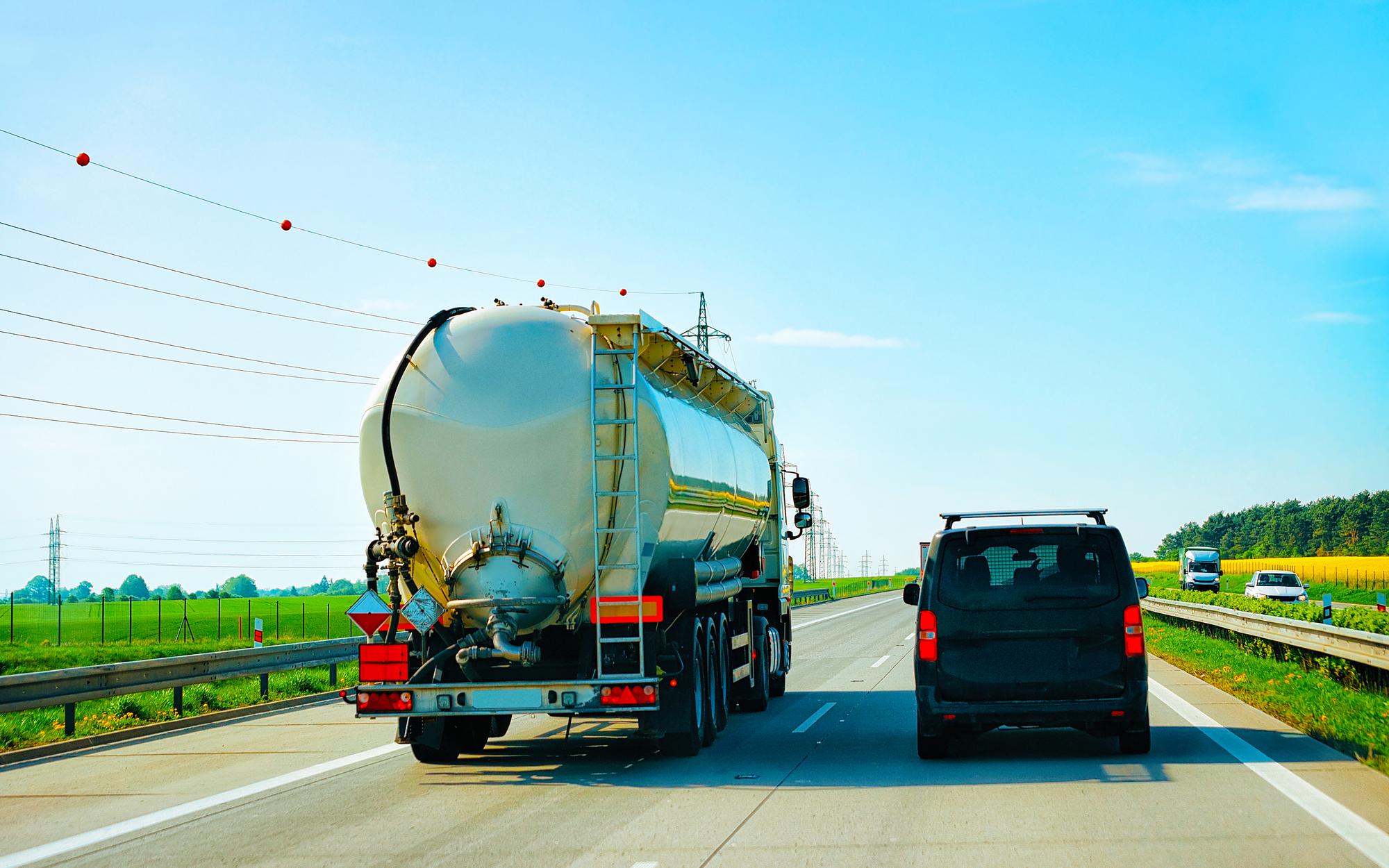
Czechia is often a transit country, but it is also a full-fledged trading partner in the heart of Europe. For the Spanish haulier looking east and north, the Czech Republic is more than just a dot on the map: it hosts a robust industrial economy with a clearly export-oriented trade balance, driven mainly by its powerful automotive sector. In 2025, Czech merchandise exports reached 2,081.2 million dollars (exceeding its GDP by 72.54%). This productive dynamism defines it as a nation strongly focused on exports, with Germany as its main partner, generating a constant flow of goods ready to be transported by road and rail from this Central European country of 78,866 km², whose mountainous, landlocked terrain demands efficient planning of its logistics network.
Although road transport continues to grow in the Czech Republic, its freight structure rests on a well-developed motorway network and a railway system with an ambitious modernisation agenda. With more than 55,000 km of roads and nearly 9,500 km of rail lines (some of which integrate four trans-European freight corridors), Czechia effectively connects the Baltic and Northern European ports with routes to the south and east. For this year 2026, the Czech government has allocated a record investment of 72.2 billion crowns (about 3 billion euros) to its rail infrastructure with a clear objective: to boost intermodality and reduce pressure on roads.
Decarbonisation is undoubtedly one of the biggest challenges facing the sector today, and Czechia is no exception. The country has committed to reducing its greenhouse gas emissions by 55% by 2030 (compared to 1990 levels) and achieving climate neutrality by 2050. To move the heavy machinery of transport, Prague has transposed the European RED III directive into its legislation, which obliges transport fuel suppliers to reduce the intensity of greenhouse gas emissions. Likewise, it has exempted rail freight transport from the new European emission trading system (ETS‑2) to encourage its use, while trucks over 3.5 tonnes travelling on its roads have been subject to a toll that penalises CO₂ emissions since March 2024.
These regulations are catalysing a gradual but real transformation of the Czech transport fleet. A clear example is operator METRANS, which in September 2025 put into service the country’s largest fleet of Volvo FH electric trucks, comprising six units destined for first‑ and last‑mile logistics in Prague. This initiative reflects a broader commitment: the International Energy Agency (IEA) has urged the country to accelerate the adoption of electric commercial vehicles by implementing financial aid and public procurement policies to drive the change in corporate fleets.
For Spain, Czechia is the second largest trading partner in Central and Eastern Europe, behind only Poland. The link is deep and relies on the automotive sector, with 15 Spanish companies operating production plants on Czech soil. Bilateral trade reached a record high of more than 112 billion euros in 2025 and exceeds 100 million euros every month. This relationship, traditionally in deficit for Spain due to Czech export strength, is fuelled by the flow of components and finished products in both directions.
From an expert perspective, the Czech Republic’s geographical position is its main asset. Jiří Chládek, a well‑known sector analyst, defines it as a “natural crossroads for transport between Western, Eastern and Northern Europe.” However, challenges are real: the Czech road freight transport market, valued at 6,390 million dollars in 2025, faces a driver shortage and insufficient technological investment that could slow its growth. For Spanish hauliers, operating in Czechia means managing a market of high industrial demand with a partner that increasingly demands efficient, sustainable and, above all, integrated logistics solutions within its complex but modern logistics network.
Have any thoughts?
Share your reaction or leave a quick response — we’d love to hear what you think!
-
 0
0
-
 0
0
-
 0
0
-
 0
0
-
 0
0
