
Bulgaria’s commercial integration into the European Union has reached a historic turning point this year, and it is its hauliers who are at centre stage to make it happen. With full incorporation into the Schengen area in January 2025, the last controls at land borders were eliminated. This milestone, together with the adoption of the euro as the official currency on 1 January 2026, has given Bulgaria and its logistics sector a set of exceptional tools to enhance its role as a gateway for goods in the Balkans.
Bilateral trade between Bulgaria and Spain is a clear reflection of this growing integration and of the hauliers’ activity. According to the latest data, the exchange of goods reached 150 million euros in January 2026. On Bulgarian roads, products such as wheat, seed oils and packaged medicines flow towards our country, while from Spain, pork and passenger cars head to Bulgaria, to be distributed throughout the region. This constant flow of goods is the raison d’être of a fleet of Bulgarian trucks operating daily, consolidating themselves as first-rate logistics players.
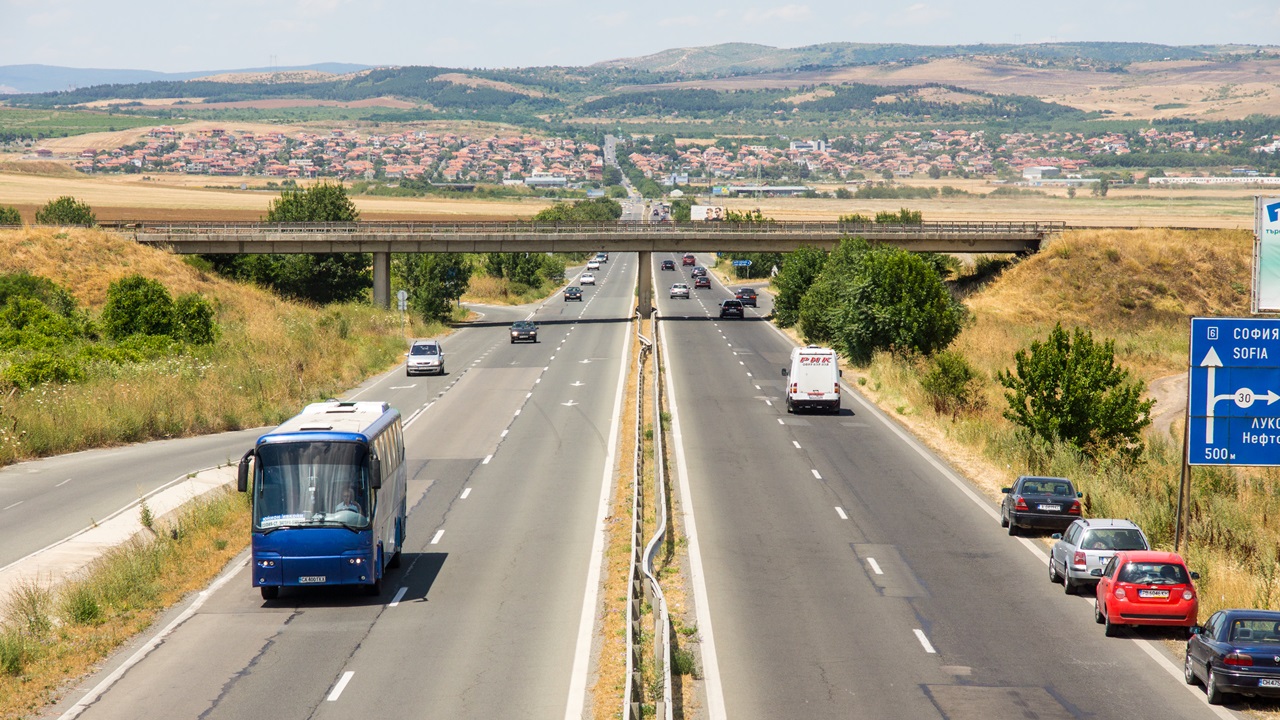
Bulgarian roads form a map of contrasts between modern arteries and a vast, ageing secondary network. The country has important, fully operational motorways, such as the “Trakija” (A1), connecting Sofia with Burgas, or the “Struma” (A3), linking the capital to the Greek border. On the other hand, the overall road network, with almost 40,000 kilometres, is in an irregular state of repair, which becomes a daily headache for drivers. The problem is especially serious on secondary roads, where the asphalt and signage leave much to be desired.
The hauliers travelling these routes are guided by an increasingly strict framework of European and national legislation. They must comply with EU regulations on driving and rest times, as well as keep up to date with recent Bulgarian amendments to laws such as the Road Traffic Act. Likewise, the entry into force of the new intelligent and ecological toll system, which now includes Bulgaria, represents a paradigm shift in fleet management that hauliers are adopting as they modernise their vehicles and working methods.
Despite the challenges on secondary roads, the country has deployed its true potential on the asphalt. Bulgaria is a key logistics hub, especially thanks to the Pan-European Corridor VIII, which is undergoing profound modernisation with an investment of more than 1.5 billion euros until 2027. This corridor connects the Bulgarian Black Sea ports with the Adriatic, offering hauliers a unique multimodal route that turns Bulgaria into a valuable “eastern gateway” for European industry.
In short, Bulgarian export trade is distinguished by having one foot in industrial tradition and the other in innovation. Its main exports are manufactured goods, fuels, machinery and transport equipment, minerals such as copper, and agricultural products like wheat. However, it also demonstrates a unique specialisation, being the world’s largest exporter of air and gas pistols, as well as iron pyrites, showing the diversification of its economy and the crucial role of its hauliers as vectors of a globally oriented industry.
Have any thoughts?
Share your reaction or leave a quick response — we’d love to hear what you think!
-
 0
0
-
 0
0
-
 0
0
-
 0
0
-
 0
0
