
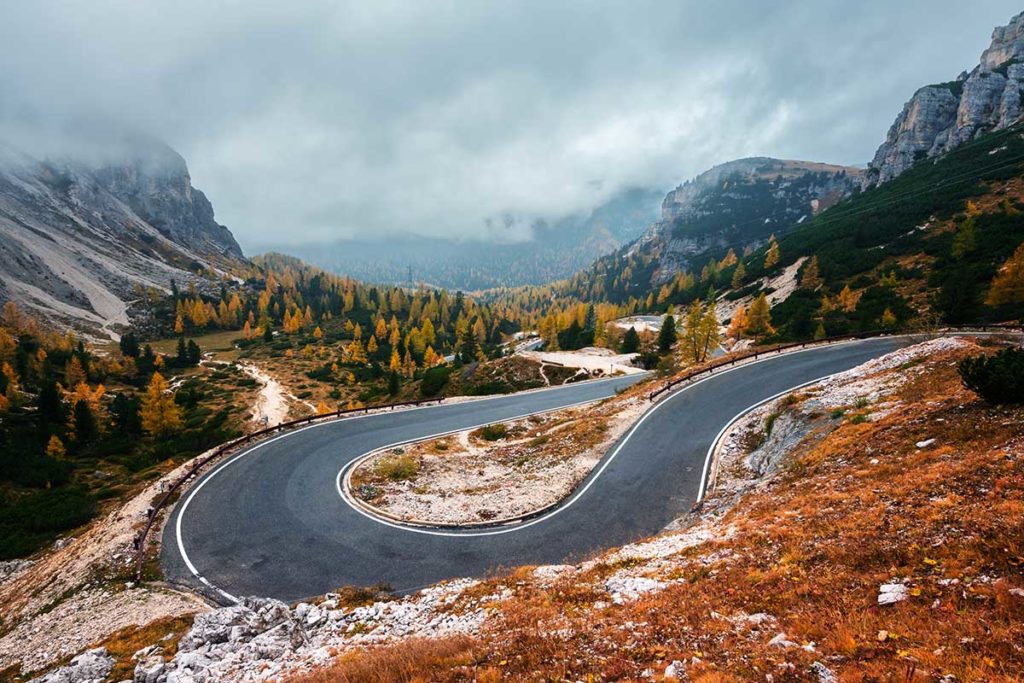
Austria, that Alpine heart of Europe, has decided to further tighten its already strict heavy goods vehicle restrictions in 2026. While the official justification focuses on reducing noise and improving safety, a deeper look reveals a web of citizen pressure, environmental protection, and a clear geopolitical strategy. The country is not only fighting noise pollution; it is waging a war for its way of life, its tourist appeal, and its position within the European Union against the freight traffic crossing its mountains.
Mountains, Tourism, and Quality of Life: The Hidden Drivers of the Regulation
The restrictions, especially severe in key corridors like Tyrol, the Inn Valley, or the Brenner Pass, respond to historical pressure from tourist regions and local communities, tired of being the backyard of European transit. Austria is not just a transit country; it is a tourism powerhouse whose economy depends on the preservation of landscapes and clean air. Noise is just the tip of the iceberg: the aim is to reduce atmospheric pollution, protect fragile Alpine ecosystems, and prevent visual degradation that deters tourism. Every truck stopped is a victory for the environmental and hotel lobby, which sees incessant traffic as an existential threat.
Commerce in the Alps: How Does a Transit Economy Survive?
Contrary to what one might think, Austria does not paralyze its economy. It is a master of multimodal logistics. In the face of restrictions, it has for decades promoted railways, with an efficient “rolling highway” (Rollende Landstrasse) network and freight trains crossing the Alps through base tunnels like the one under construction at Brenner. Furthermore, its transport companies are among the most innovative and adapt with Swiss precision to time windows. Import and export are achieved through meticulous planning, logistics hubs at borders, and the use of “quiet” and ecological vehicles that enjoy exemptions. It is no coincidence that Austria is a leader in green transport technology.
The Affected: The Roar of European Hauliers
Hauliers, especially those from Eastern and Southern European countries, are the hardest hit. The night and weekend restrictions force long stops, increase costs, and complicate just-in-time international journeys. This regime is seen as a covert barrier to trade, a way to protect its own, better-adapted logistics companies, and to pressure the EU for greater investment in rail alternatives. The regulation is, at its core, a weapon in European negotiations on Alpine transit, where Austria constantly demands more measures to decongest its valleys.
A Green Wall with Economic Calculus
Austria’s 2026 restrictions are, therefore, a complex instrument of domestic and foreign policy. Far from being just a noise-control measure, they are a declaration of principles: the Alps are not a mere corridor, but a heritage to defend. Although they affect thousands of hauliers and slightly increase the cost of trade, Austria has calculated that the cost is worth it to preserve its identity and force a transition towards more sustainable transport. The battle between the roar of engines and the silence of the peaks is on, and Austria has chosen its side with a firmness as Alpine as its mountains.