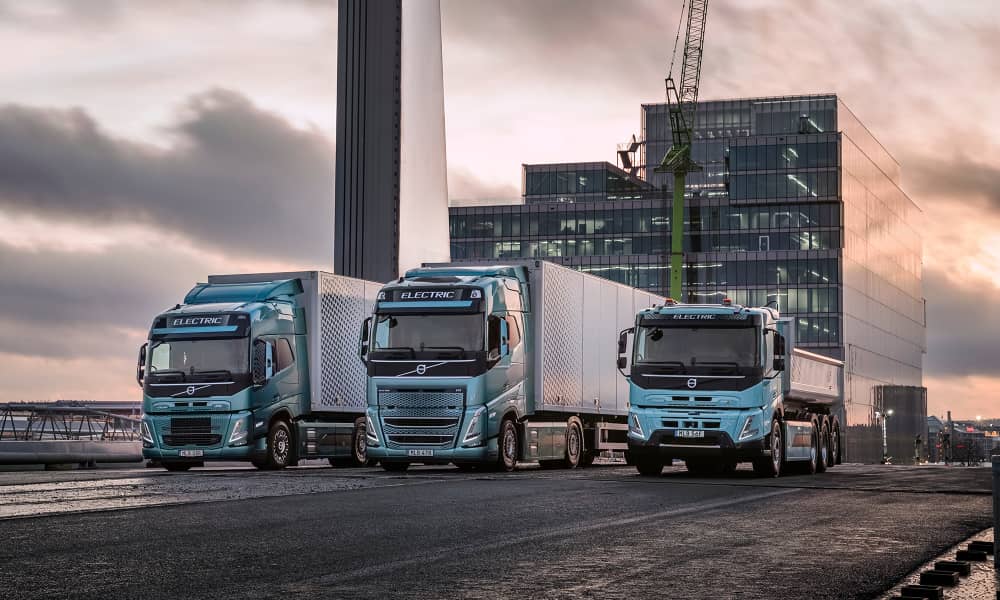
In a bold move to decarbonize the logistics sector, the European Union has decided to make a significant exception to its own rules. The European Council has given the green light to a modification of the weights and dimensions directive that will allow electric trucks to travel between countries with more mass and length than normally authorized. This measure, delayed since 2023, aims to remove a key barrier: the extra weight of batteries, which reduces the payload capacity and discourages the adoption of these expensive units.
The specific proposal establishes an additional margin of between two and four tons in the maximum authorized mass, depending on the number of axles, and up to 0.9 extra meters in length. The goal is to compensate for zero-emission technology without economically penalizing the carrier. In addition, cross-border transport for these vehicles is specifically liberalized, provided that the limits of each member state are respected, in an attempt to harmonize and facilitate international green operations.
However, the strategy is not without criticism and contradictions. On the one hand, the European Commission promotes this flexibility as a “necessary boost” for the green transition. On the other, industry sectors and road safety experts warn that it is normalizing overweight travel, which could increase road risk and accelerate infrastructure wear, despite graduated calculations to minimize it. The underlying question is whether the climate agenda is being prioritized over other principles of safety and regulatory equity.
This initiative also clashes with the persistent uncertainty surrounding the electric truck. Major unresolved challenges—limited range, a shortage of megawatt charging points, and a much higher purchase price than diesel—remain Achilles’ heels. The measure seems like an incentive patch that does not address these underlying structural problems, raising doubts about its real effectiveness in transforming the fleet.
In conclusion, the European Union is playing a card of regulatory flexibility to try to unlock the green transition in heavy transport. Although the intention to support the sector in a complex technological change is clear, the strategy may be perceived as a concession that skirts the problem of initial competitiveness at the expense of relaxing standards. The real success will depend on this regulatory push being accompanied by massive investments in charging infrastructure and direct aid, ensuring that decarbonization is not achieved at the expense of safety or competitive fairness on European roads.