
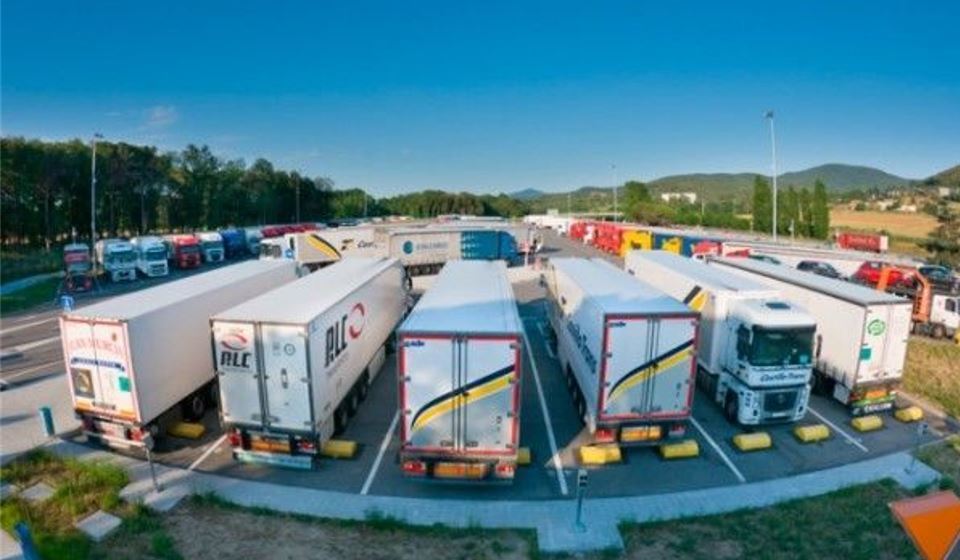
Road freight transport is the backbone of the economy, but those who do it every day know that the road also hides risks that go beyond traffic or bad weather. Cargo theft, attacks in rest areas, and vandalism have become a growing concern, not only in Spain but across much of Europe.
That is why the news that Fenadismer, in collaboration with the Ministry of the Interior, has launched a specific risk map for the sector deserves to be celebrated and, above all, to be known by all the professionals who risk their physical integrity and their livelihood on the asphalt every day.
Until now, many hauliers used intuition as their only guide, learning from bad experiences which areas to avoid or which rest areas were dangerous. That time is now behind us. The new risk map is a strategic tool that, with updated and reliable data provided by the State Security Forces, will make it possible to accurately identify black spots: stretches of road with a high crime rate, unsafe rest areas, and patterns of activity by organised gangs. The aim is not to alarm, but to anticipate. And in this profession, anticipating can mean the difference between reaching your destination or suffering a preventable incident.
This initiative is not born from nowhere. It responds to a long-standing demand from the sector, which has been calling for concrete measures against growing insecurity for years. Cargo theft not only generates million-euro losses but also directly affects the competitiveness of companies and, more seriously, puts drivers’ physical integrity at risk. The lack of secure, monitored parking areas has been an unresolved issue for too long, and although this map alone does not solve that deficit, it does represent a step in the right direction: prevention and information as protective shields.
Collaboration with the Ministry of the Interior gives this tool fundamental backing. This is not a map based on mere suspicion or isolated testimonies, but on official data that will allow routes to be planned using real safety criteria. For the haulier, this translates into something very concrete: being able to make informed decisions, avoid unnecessary risks, and ultimately return home in better condition. Moreover, the positive impact extends to the entire logistics chain, ensuring timely deliveries, reducing costs associated with incidents, and strengthening the confidence of clients and operators.
In a context where efficiency is everything, but safety must be non-negotiable, initiatives like this show that when the sector and public administrations move forward together, real progress is achieved. However, we must not let our guard down. This map should be the first in a series of steps that, according to Fenadismer, should be completed with more protected rest areas and effective police reinforcements at critical points. In the meantime, the message to hauliers is clear: get to know this tool, use it, and make it another ally in your daily work. Information, in this fight, is the best defence.
Have any thoughts?
Share your reaction or leave a quick response — we’d love to hear what you think!
-
 0
0
-
 0
0
-
 0
0
-
 0
0
-
 0
0
