
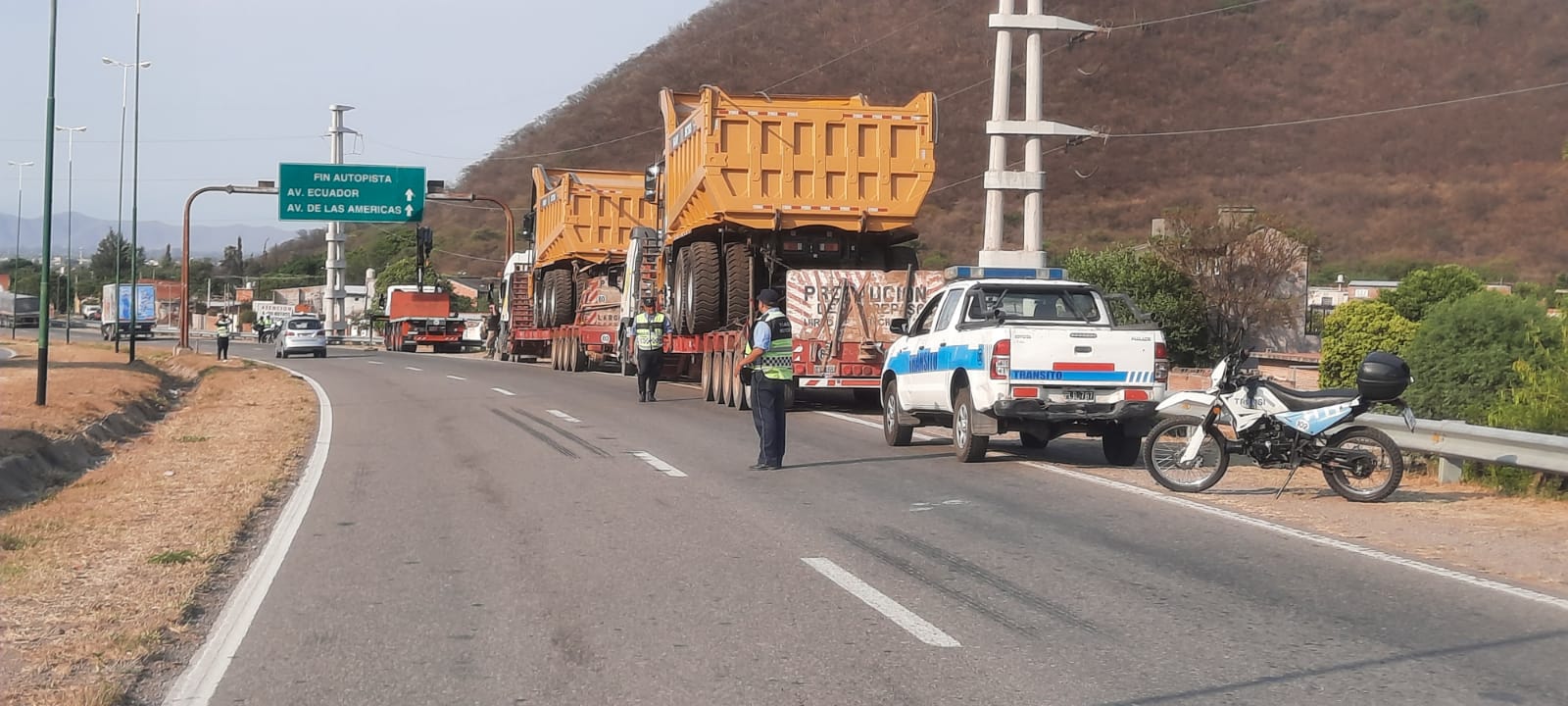
Alcohol consumption among professional drivers, and particularly among those operating large vehicles, constitutes one of the most serious threats to road safety. The intake of this substance directly and devastatingly affects the psychophysical abilities essential for driving. As a central nervous system depressant, alcohol slows reflexes, dangerously increases reaction time to unexpected events, and impairs muscle coordination — a set of critical skills for maneuvering vehicles weighing several tens of tons.
The consequences of this impairment when driving a truck or bus are catastrophic. Alcohol distorts risk perception, reduces the field of vision, undermines concentration and judgment, and increases drowsiness. For a heavy vehicle driver, these alterations translate into an inability to maintain a stable trajectory, calculate braking distances, or react in time to an evasive maneuver, turning every kilometer traveled into a threat to their own life and to the lives of other road users.
Figures in Spain at the end of 2025 reflect the severity of this problem. Provisional road accident data indicate that alcohol remains the second most frequent concurrent cause in fatal accidents, being present in 28% of crashes with fatalities. A particularly alarming fact is that, according to the Toxicological Findings Report, nearly half (48.2%) of drivers who died on the road tested positive for alcohol, drugs, or psychotropic medications.
Several incidents that occurred throughout 2025 exemplify the extreme risk assumed by these professional drivers. In October of that year, a truck driver in Soria who was transporting dangerous goods overturned his vehicle after registering a blood alcohol level of 0.62 mg/l, quadrupling the permitted limit. Months later, in December, another driver was investigated in Cáceres for leaving the road with his truck while exceeding the legal limit by eight times (1.25 mg/l), also showing symptoms of drowsiness at the wheel. These cases are not isolated; during a single week of a surveillance campaign in December 2025, officers tested 191,864 drivers, of whom 1,900 tested positive for alcohol, equivalent to more than 500 drivers per day.
Aware of this reality, Spanish legislation has tightened its limits and penalties. For professional drivers, the maximum alcohol limit in exhaled air is 0.15 mg/l (or 0.30 g/l in blood), a lower rate than for other drivers. Penalties for exceeding this threshold are severe and include fines of up to 500 euros and the loss of 4 license points. However, when the rate exceeds 0.60 mg/l, the behavior ceases to be an administrative offense and becomes a crime against road safety, typified in Article 379.2 of the Criminal Code, with penalties that can include up to six months in prison and the withdrawal of the driving license for up to four years.
In conclusion, alcohol intake by transport workers is a complex problem that requires decisive action by all involved parties. Legal and criminal sanctions, while necessary, are not enough. The Ministry of Transport, Mobility and Urban Agenda is already working on a new Royal Decree to regulate alcohol and drug testing, as well as the installation of anti-start breathalyzers in new vehicles. However, true cultural change must come from greater individual and collective awareness. The only way to eradicate this scourge from the roads is to internalize a clear and forceful message: behind the wheel of a heavy vehicle, the only safe alcohol level is zero.
Traffic and health specialists leave no doubt about the seriousness of this problem. Luis Montoro, Professor of Road Safety and author of a report for the DGT that supports the tightening of laws, states: “0.0 is technically unfeasible,” referring to the fact that breathalyzers cannot measure extremely low levels and that alcohol can appear in the body without having drunk. However, his warning is forceful for professionals: “A small beer or a glass of wine will already test positive.”
Along the same lines, from the health field, Julio Pérez, medical advisor to the DGT’s National Road Safety Observatory, precisely explains the devastating effects of this substance. According to Pérez, “alcohol is a psychoactive substance and alters psychomotor and perceptual functions, abilities necessary for driving: coordination, attention, vision, behavior, decision-making… As the amount of alcohol in the body increases, these effects persist and increase. Its potency may vary, but it always affects.”
After hearing these expert voices, the conclusion is inescapable for those who make a living behind the wheel. You, the transport workers, are the road professionals, and on your shoulders rests the responsibility of handling a machine weighing tens of tons. Society entrusts you with the safety of the goods, but also, and above all, the lives of other users.
Therefore, the final appeal is direct and unambiguous: assume your responsibility with the same dedication you put into your daily work. Alcohol is not a travel companion; it is an invisible enemy that destroys reflexes, clouds judgment, and turns every kilometer into Russian roulette. The law already requires a rate of 0.15 mg/l, but professional ethics and the commitment to life must lead you to the only reasonable decision: zero tolerance for alcohol at the wheel.
Remember that behind every steering wheel there is a family waiting, and the road is a shared space where one person’s mistake can be paid for by another. Do not let a bad decision tarnish your profession or destroy other people’s lives. Road safety begins with each one of you, and the first step is as simple as it is forceful: if you are going to drive, do not drink. Your example is the best awareness campaign.
Have any thoughts?
Share your reaction or leave a quick response — we’d love to hear what you think!
-
 0
0
-
 0
0
-
 0
0
-
 0
0
-
 0
0
