
For years, lithium has been the undisputed king of electric mobility, but its reign is showing cracks: volatile costs, geopolitical dependence, and a notable loss of efficiency in cold climates. In this scenario, an old but renewed technology emerges as the great democratizing promise: sodium-ion batteries.
Derived from an element as common as table salt, these cells are not a mere laboratory curiosity, but an industrial alternative gaining ground with the force of a well-defined national strategy, particularly in China.
The origin of this technology dates back to research parallel to that of lithium, but its initially lower energy density relegated it to the background for years. However, growing pressure on lithium supply chains and the need for more resilient and cheaper solutions have spurred its revival. Sodium, available almost limitlessly in oceans and terrestrial minerals, offers the possibility of a more stable and economical chemical base, freeing the industry from the tyranny of fluctuating prices and the concentration of mining in a few countries.
The qualities that distinguish these batteries are precisely those that address lithium’s weaknesses. Their superior performance at low temperatures is perhaps the most striking. While conventional lithium batteries can lose up to 40% of their capacity in freezing climates, sodium ones maintain a stable energy delivery even below -20°C, a crucial advance for the global adoption of electric vehicles. Furthermore, they present greater intrinsic safety, with a lower risk of fire or dendrite formation, and can be transported fully discharged, simplifying logistics.
The economic and strategic benefits are equally compelling. The low cost of sodium promises to significantly reduce the price of entry-level and mid-range electric vehicles, as well as stationary storage systems for renewable energy. This not only democratizes access to the technology but allows countries without lithium reserves to develop an autonomous energy storage industry. The technology thus acts as a market stabilizer and an enabler of technological sovereignty.
Nevertheless, the path is not without obstacles. The main barrier is their still inferior energy density compared to the best lithium batteries, which limits their use in high-end vehicles requiring extreme range. This fact defines their niche: urban mobility, light vehicles, grid storage, and applications where cost, safety, and performance in extreme climates take precedence over maximum range. It is a complementary, not substitutive, technology that seeks to cover a massive and underserved space.
The future envisioned by sodium batteries is one of more diversified and adaptable electrification. By offering a robust, low-cost solution for cold climates, they can accelerate the transition in regions where lithium presents practical or economic limitations. Their development is forcing the industry to think beyond a single dominant chemistry, towards an ecosystem of solutions where each technology covers the needs for which it is most efficient.
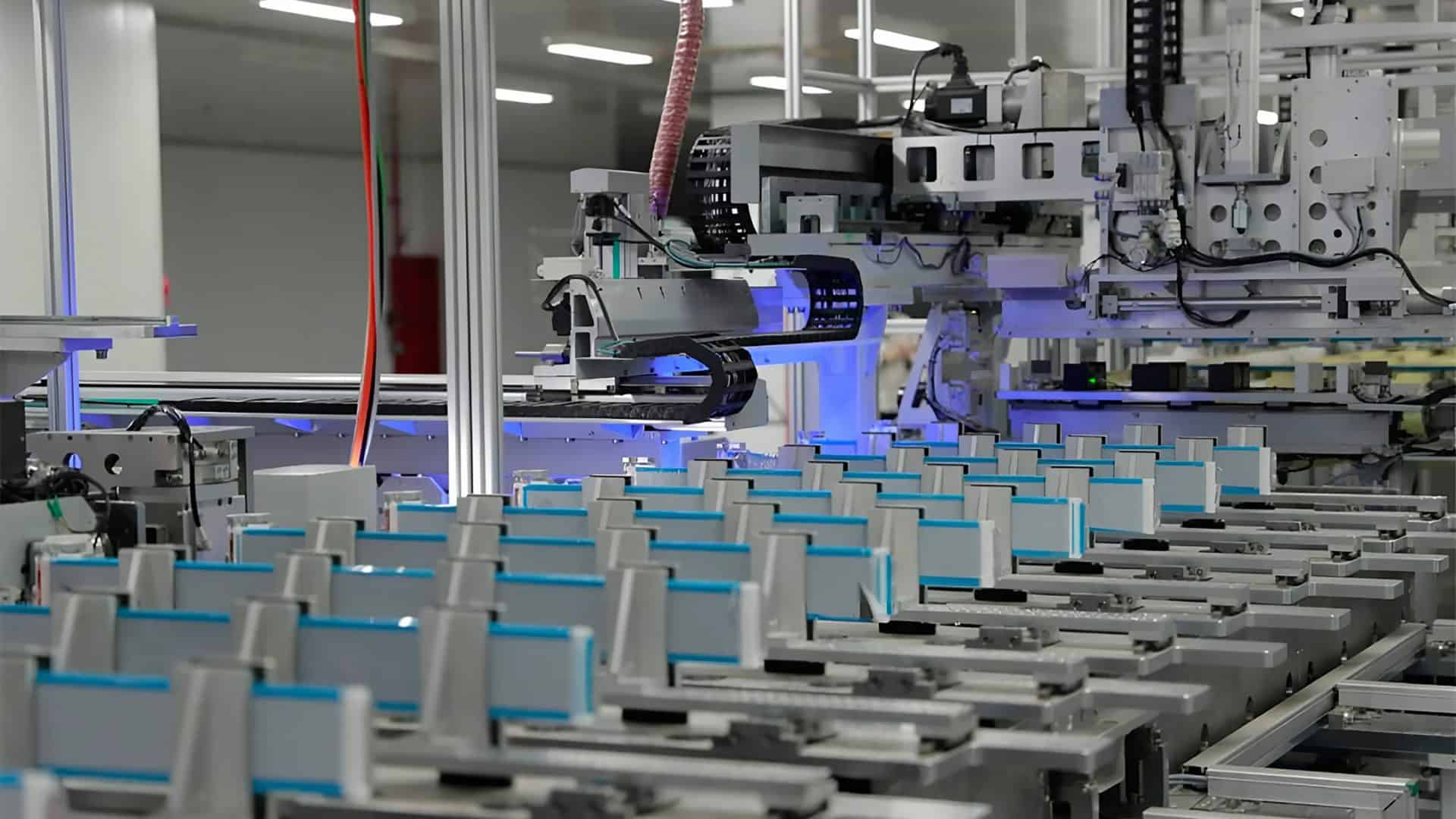
China has transformed the technical promise into commercial reality at an unprecedented speed. Since 2023, the country not only experiments but produces and sells vehicles with sodium batteries. The key milestone was the launch in April of that year of the BYD Seagull, the world’s first series-production electric car equipped with this technology, aimed at the low-cost urban market. The battery is supplied by HiNa Battery, a spin-off from the Chinese Academy of Sciences, evidencing public-private collaboration. Giants like CATL are investing billions and installing mass production lines, with rigorous testing in the cold northern regions to demonstrate their superiority in winter. With strong state support through subsidies and industrial plans, China has built a complete ecosystem, from materials to the final product, positioning itself as the global leader and primary laboratory of this sodium-based revolution.
Have any thoughts?
Share your reaction or leave a quick response — we’d love to hear what you think!
-
 0
0
-
 0
0
-
 0
0
-
 0
0
-
 0
0
