
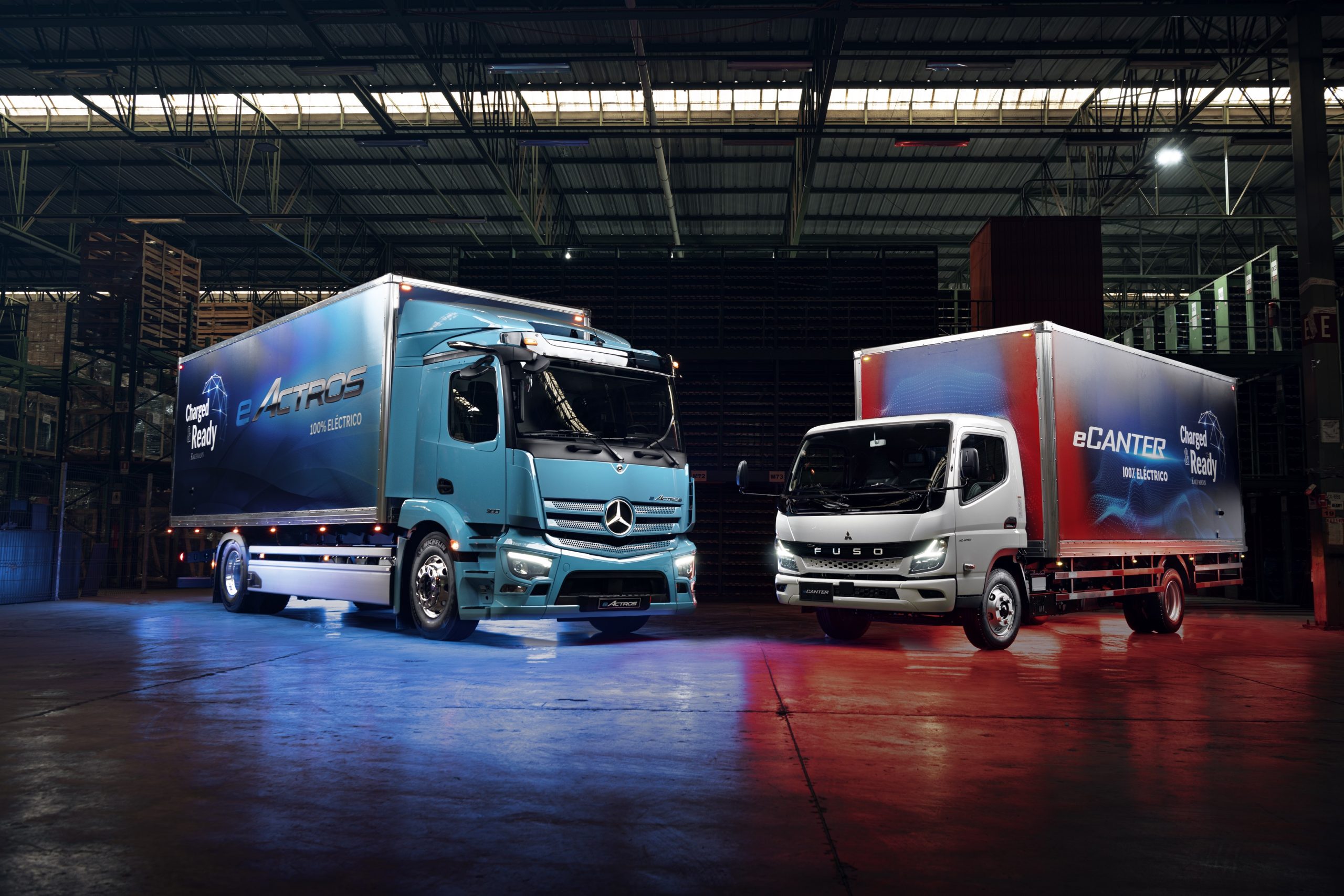
Mercedes-Benz celebrated 140 years of history, not only looking to the past but accelerating towards a future defined by electrification and sustainability. Founded in 1886 by Karl Benz, who patented the world’s first automobile, and later united with the vision of Gottlieb Daimler, the German brand forged a legacy of innovation that it is now radically redefining. What began as a precision engineering workshop has become a global icon of premium motoring, now facing its most profound transformation.
Since its founding, Mercedes-Benz has been synonymous with quality, safety, and technological advancement. It has produced vehicles under iconic brands such as Maybach, AMG, and Smart, exceeding the production of millions of units that have set industry standards. Its reputation is built on engineering excellence and durability, values it now seeks to transfer to the era of electric and connected mobility, while maintaining its essence of luxury and performance.
The current focus is the energy transition. The company is committed to being 100% electric in Europe by 2030, subject to infrastructure, and to achieving carbon neutrality across its entire value chain by 2039. This shift is not just cosmetic: it implies an industrial reinvention, with multi-million investments in next-generation batteries and the electrification of its entire range, from the A-Class to the S-Class.
To make this transition viable, Mercedes-Benz is deploying its own infrastructure. It is developing its premium ultra-fast charging network in Europe, with over 10,000 points planned by 2030, and offers integrated charging solutions for homes. In parallel, it is exploring hydrogen for heavy vehicles and optimising consumption through advanced digitalisation, with navigation systems that maximise range by managing variables such as traffic or topography in real time.
The strategy is comprehensive. Financing relies on green bonds, while plants are transformed and employees are retrained, aligning with European just transition funds. Furthermore, it collaborates closely with local renewable energy suppliers and is part of alliances such as the European Battery Alliance, to ensure a sustainable and European supply chain.
The challenges are not minor: success will depend on the expansion of electrical grids, public incentives, and consumer acceptance. However, after 140 years of existence, Mercedes-Benz is facing this with a flexible yet determined strategy, aware that its legacy of innovation requires it to lead not only in prestige but also in building a future of premium, zero-emission mobility. The story continues, now on electric wheels.
Have any thoughts?
Share your reaction or leave a quick response — we’d love to hear what you think!
-
 0
0
-
 0
0
-
 0
0
-
 0
0
-
 0
0
