
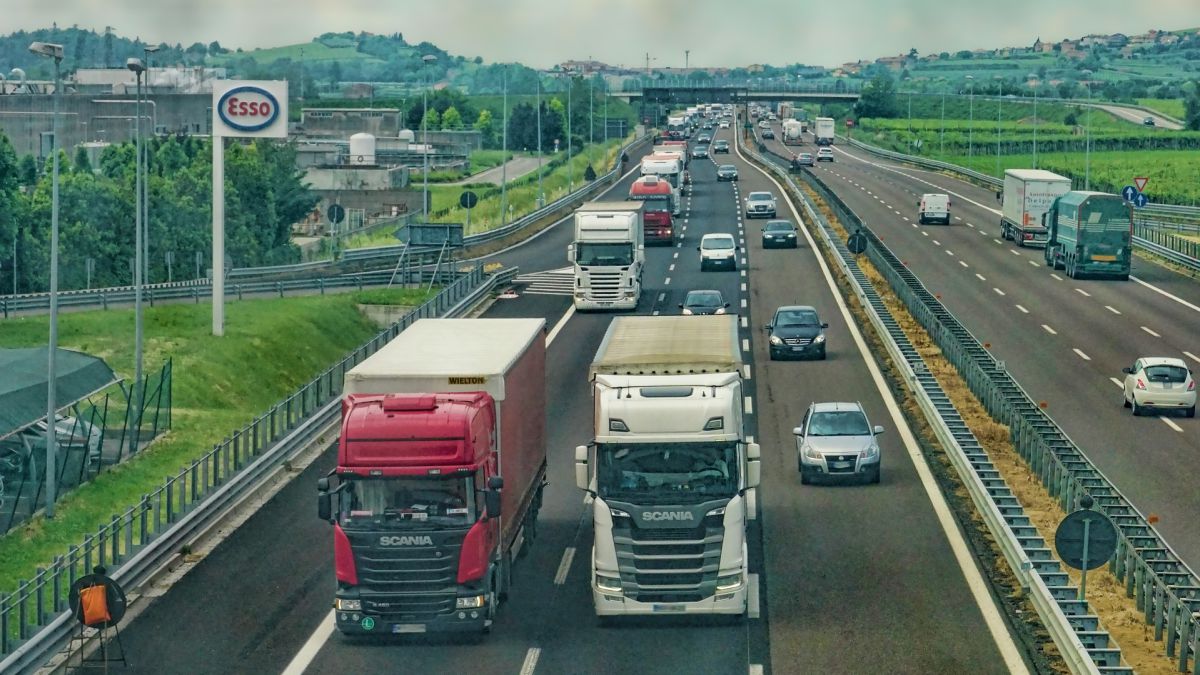
Europe is living a paradox on wheels. While society depends absolutely on road transport, the profession of truck driver is facing a deep crisis of recruitment and generational replacement. In Spain, this contradiction is accentuated: although the salary of international drivers, averaging 37,000 euros gross per year, exceeds that of many national workers, it remains well below the European average, which is around 45,000 euros. This salary gap with Northern Europe, combined with the extremely hard living conditions on the road, partly explains why 72% of professionals are over 50 years old, according to the CETM.
The figures reveal a sector under pressure. The driver deficit in Spain already exceeds 30,000, and demand has grown by 15% in five years compared to a timid 5% increase in supply, according to the IRU. Although the recent Royal Decree 402/2025, which facilitates early retirement, may relieve an aging workforce, it threatens to worsen the shortage of professionals. Companies are forced to improve conditions and salaries to attract talent, but they compete against the image of a sacrificial job, with long absences from home and great responsibility.
Experts stress that the problem goes beyond gross salary. Juan Sánchez, an analyst at the Spanish Confederation of Freight Transport (CETM), explains: “A self-employed driver may have a higher income than an employee, but they assume all the costs of the vehicle, fuel, tolls, and the unpredictability of loads. Loneliness, deadline pressure, and stress on complicated roads are factors that are not monetized.” The salary, therefore, does not fully compensate for the physical and mental wear and tear.
Entering the profession is neither simple nor cheap. Obtaining the C+E license and the Certificate of Professional Competence (CPC) requires a significant investment of time and money, to which must be added community licenses, the CMR consignment note, the digital tachograph, and medical check-ups. It is a race of bureaucratic and financial hurdles to access a trade where work-life balance is, for now, a pipe dream.
In short, the sector is traveling on a bumpy road. The salary improvement, although necessary and welcome, is only part of the solution. To ensure the flow of goods that sustains the economy, a deeper transformation is urgently needed to dignify the profession, modernize logistics to reduce downtime, and offer a quality of life that attracts new generations. The future of transport is not only played out in the salary, but in making the cabin a more humane and sustainable place.
Have any thoughts?
Share your reaction or leave a quick response — we’d love to hear what you think!
-
 0
0
-
 0
0
-
 0
0
-
 0
0
-
 0
0
