
The European Union has taken a pragmatic yet controversial turn in its roadmap toward transport decarbonization. The European Commission has postponed the total ban on the sale of combustion engine cars until 2035, softening the initial mandate of the ‘Fit for 55’ package. Instead of an outright prohibition, Brussels now proposes that only 90% of new vehicles must be zero-emissions by that date, allowing 10%—if they use synthetic fuels or biofuels—to remain on the market. This decision, part of a new Automotive Package, seeks to balance ambitious climate goals with the industrial and competitive reality of the bloc.
Brussels justifies its move by emphasizing competitiveness and flexibility. It argues that, in the face of the overwhelming advance of Chinese electric vehicles, European industry needs room to adapt. The package includes incentives for manufacturing small and affordable electric cars, a €1.8 billion program for batteries, and bureaucratic simplifications aimed at saving manufacturers hundreds of millions. The message is clear: the goal is to build an economically viable transition, ensuring the European automotive industry does not fall behind in the global race.
The measure has divided member states. Industrial powers like Germany and Italy support it, while countries such as France, Spain, and Nordic nations reject it, fearing it dilutes climate ambition. The most vehement opposition, however, comes from environmental groups. Organizations like ECODES label the decision “short-sighted,” warning that it delays necessary decarbonization, risks long-term jobs, and harms public health. They point out that air pollution, responsible for thousands of premature deaths annually in Europe, will be prolonged.
At the heart of the debate lies this balance between the ideal and the practicable. The EU maintains its 2050 climate neutrality target but accepts that the path may be less linear. Supporters of flexibility see e-fuels as a technological solution for mobility niches and a safeguard for the powerful combustion engine industry. Critics counter that this disincentivizes mass electrification, makes the transition more expensive by maintaining two technologies, and sends the wrong signal to investors and consumers.
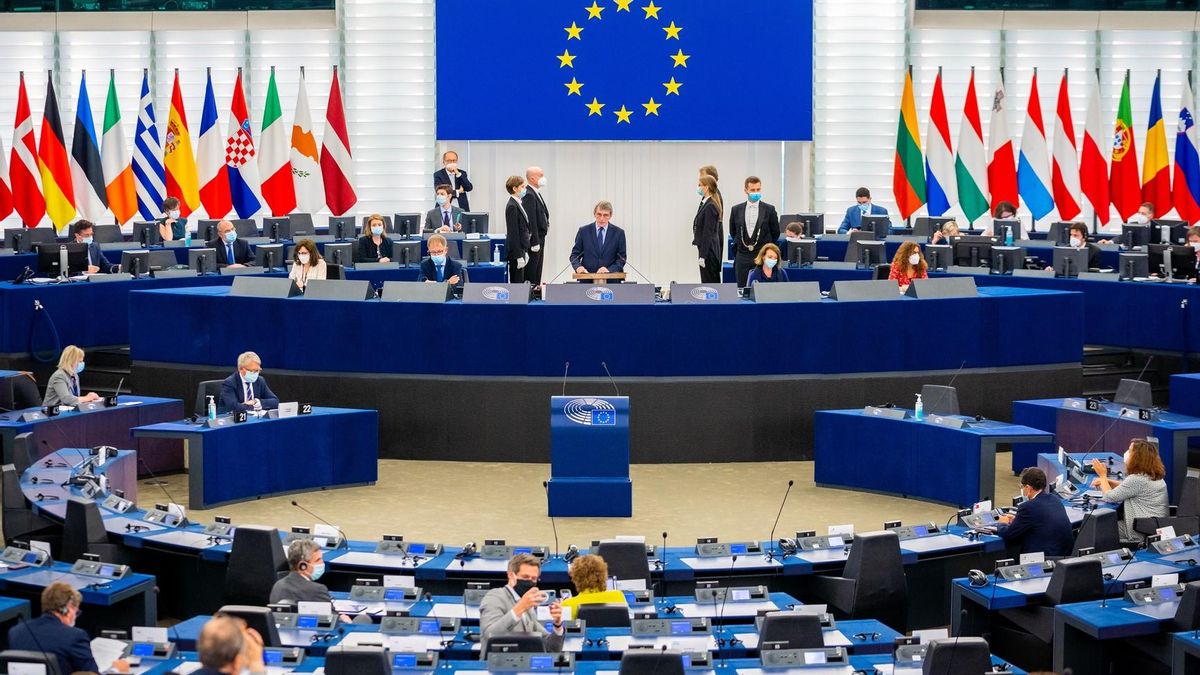
This new framework is not yet law. It must be negotiated and approved by the European Parliament and the Council, where opposing sides will battle to modify percentages and conditions. Brussels has kicked the ball into the court of politics, hinting that the energy transition in transport will not be a straight-line race but a tortuous path of compromises between climate urgency, industrial sovereignty, and the geopolitical and economic realities of the 21st century.
Have any thoughts?
Share your reaction or leave a quick response — we’d love to hear what you think!
-
 0
0
-
 0
0
-
 0
0
-
 0
0
-
 0
0
