
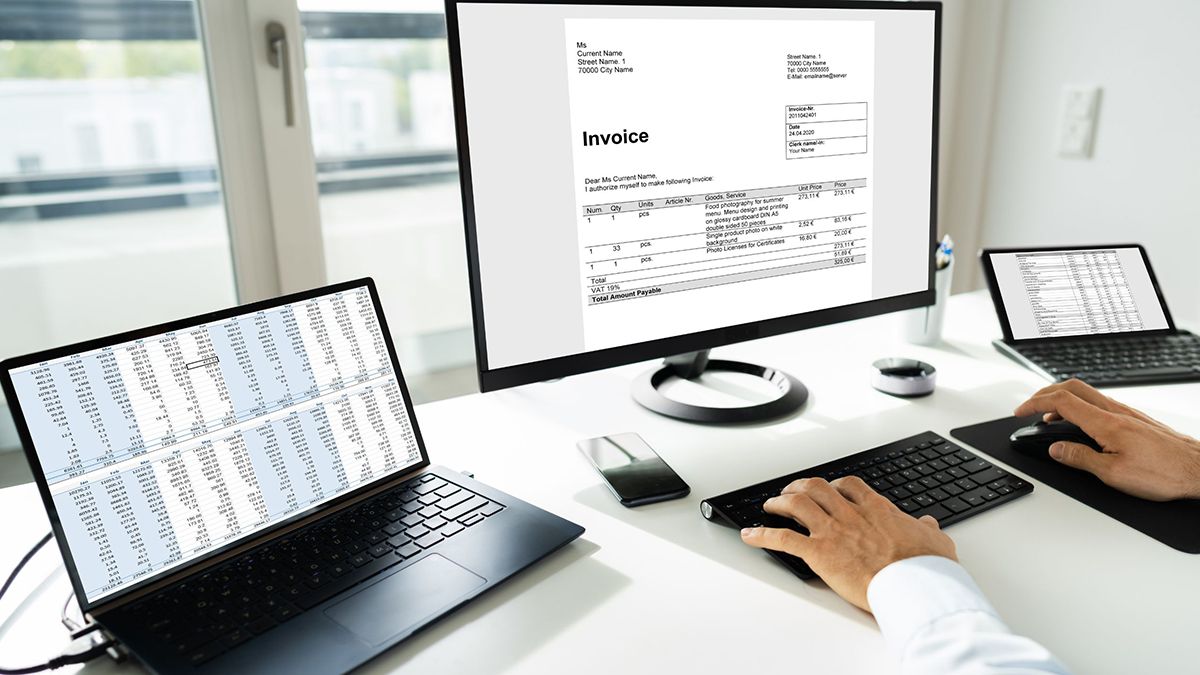
In a gesture of flexibility to the demands of the productive sector, the Ministry of Finance has granted a crucial respite to freelancers and SMEs. Through a royal decree approved this Tuesday, the deadline for the widespread adoption of VeriFactu, the new centralized digital invoicing system, has been extended by twelve months. The extension, more than a simple delay, is interpreted as a tacit acknowledgment of the logistical and economic difficulties posed by a technological migration of this magnitude for smaller businesses.
A Staggered Calendar that Prioritizes Large Taxpayers
The mandatory requirement will not come into effect for everyone at the same time. As detailed by the Tax Agency, the horizon is now set for January 1, 2027, for companies with a turnover exceeding six million euros. For freelancers and SMEs below that threshold, which include the vast majority of transporters and logistics operators, the deadline is moved to July 1, 2027. This staggering aims to facilitate an orderly transition, although it makes clear that the process is irreversible.
Sector Pressure Achieves its Goal
The postponement is no accident. It responds to an intense campaign by business and freelance associations, which had been warning for months about the high cost of adaptation. The need to purchase certified software, update obsolete systems, and train administrative staff represented an unbearable financial burden for many, especially in sectors with tight margins. The decree, which is expected to be ratified this Wednesday in the Council of Ministers, thus picks up the gauntlet thrown down by these groups.
Road Transport, the Main Beneficiary of the Moratorium
One of the sectors breathing the biggest sigh of relief with this decision is road transport. Managing a huge volume of freight bills, invoices, and documents requiring constant traceability represents an monumental operational challenge. This extra year is, therefore, a golden opportunity for fleets, cooperatives, and freelancers who still rely on Excel spreadsheets, old programs, or manual methods. The objective now is to use this time to migrate to integrated and certified solutions, thus avoiding future penalties.
The Tax Agency’s Free App: A Solution Only for Occasional Issuers
It is worth remembering that the Tax Agency already offers a free application for issuing invoices. However, experts and associations agree that this tool is insufficient for businesses with continuous and complex activity, as is the case in transport. Therefore, the message for the sector is clear: the extra time must be used to actively seek specialized software solutions, preferably those already integrated with fleet and logistics management systems, ensuring a smooth and efficient implementation when the time for mandatory use arrives.
Have any thoughts?
Share your reaction or leave a quick response — we’d love to hear what you think!
-
 0
0
-
 0
0
-
 0
0
-
 0
0
-
 0
0
