
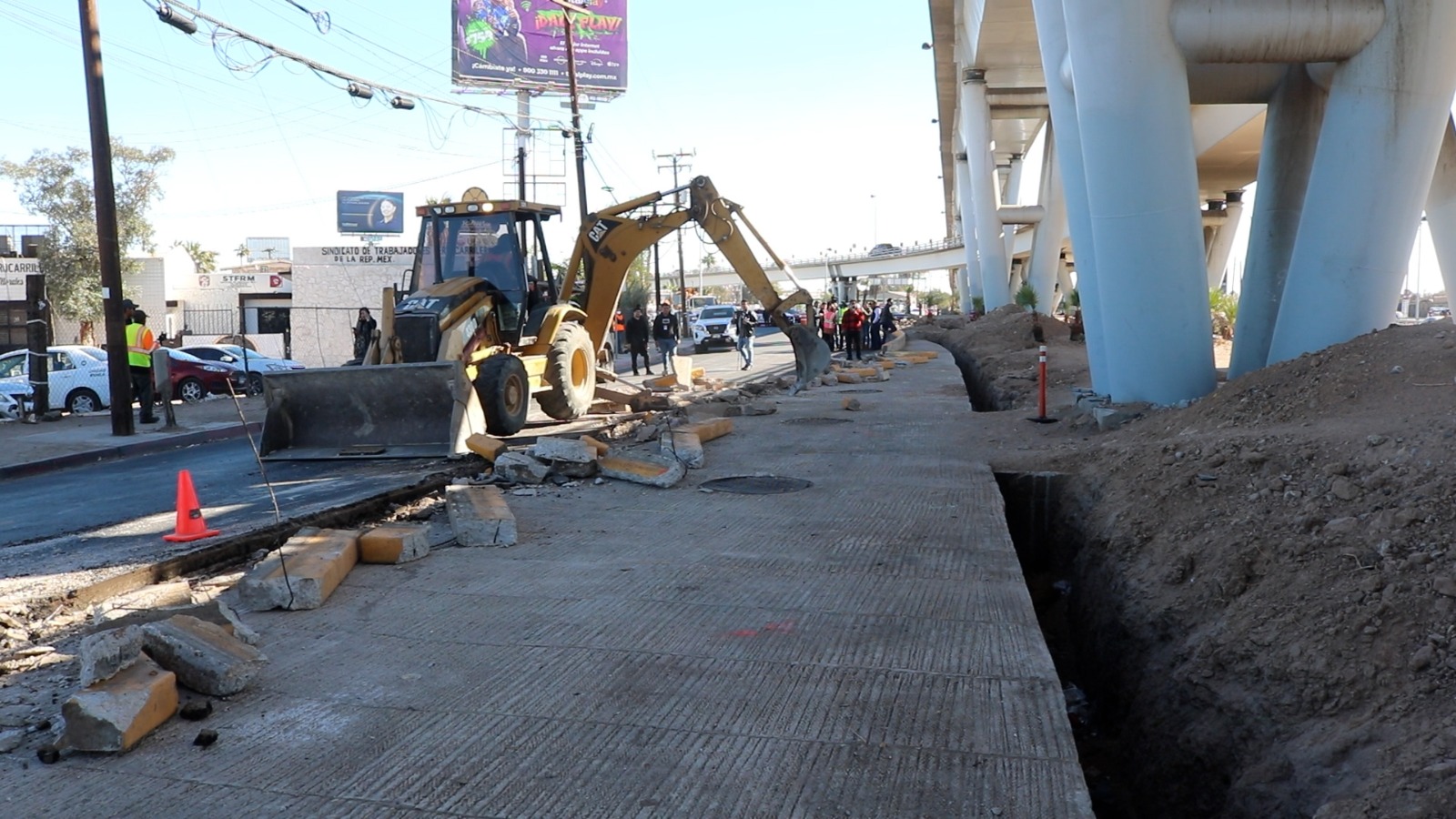
The deterioration of a significant portion of the Spanish road network constitutes much more than an image or comfort problem; it is an economic burden of the first order for the transport sector, a hidden tax that directly undermines its competitiveness and profitability. Every pothole, every degraded surface, and every poorly coordinated roadwork translates, first and foremost, into a constant drain of time and efficiency. Detours, sections with reduced speed limits, and congestion due to closed lanes substantially increase journey times, not only delaying deliveries with the risk of penalties but drastically reducing the productivity of fleets and drivers.
The direct impact on operating costs is even more palpable and severe. An uneven road surface increases fuel consumption exponentially, as vehicles exert constant extra effort. According to sector estimates, this overconsumption can exceed 15% on the most deteriorated stretches. To this monetary drain is added accelerated and premature wear of critical components: tires, suspensions, brakes, and steering systems. Workshop bills soar, and the useful life of trucks shortens, compromising the financial planning of owner-operators and companies, who see their margins evaporate kilometer by kilometer.
Beyond the cold numbers, the inherent danger of a road in poor condition introduces an unacceptable risk factor. An unexpected pothole can cause everything from blowouts and load losses to serious accidents due to loss of control. Driver fatigue multiplies from having to exert continuous concentration to avoid road defects, increasing the probability of error. This constant tension has a profound human cost in the form of greater stress and physical wear, eroding the well-being of professionals at the wheel.
In the realm of competitiveness, this scenario jeopardizes the very viability of many operations. For the owner-operator or small company, these extra costs – fuel, extraordinary maintenance, unproductive time – are directly absorbed by their already tight margin, potentially making the difference between winning or losing a contract. On a macroeconomic scale, this inefficiency makes logistics more expensive for the entire Spanish industry, reducing its agility and raising the final price of goods, a severe handicap in a highly competitive European market where every cent counts.
This deterioration also generates a vicious cycle of indirect costs. Accidents related to road surfaces increase insurance premiums, and uncertainty in delivery times weakens customer confidence. The image of a country with a defective arterial network can even deter logistics investments. In parallel, greater fuel consumption and premature wear increase the sector’s carbon footprint, a contradiction in the age of decarbonization.
In short, the poor state of the roads imposes a silent but devastating toll. It is estimated that, for an average transport operator, these extra costs could easily represent several thousand euros per vehicle annually, a figure that strangles the economy of the sector’s basic unit. This continuous drain undermines companies’ capacity for reinvestment and modernization, weighing down their future.
Investing in adequate and planned maintenance of the road network is, therefore, not a luxurious expense, but a strategic investment in the backbone of the Spanish economy. It is the indispensable condition for freeing transport from a burden that hinders its effectiveness, compromises its sustainability, and, ultimately, weakens the competitiveness of the entire nation. The quality of the asphalt is, in reality, the foundation upon which the fluidity and vigor of commerce and industry rest.
Have any thoughts?
Share your reaction or leave a quick response — we’d love to hear what you think!
-
 0
0
-
 0
0
-
 0
0
-
 0
0
-
 0
0
