
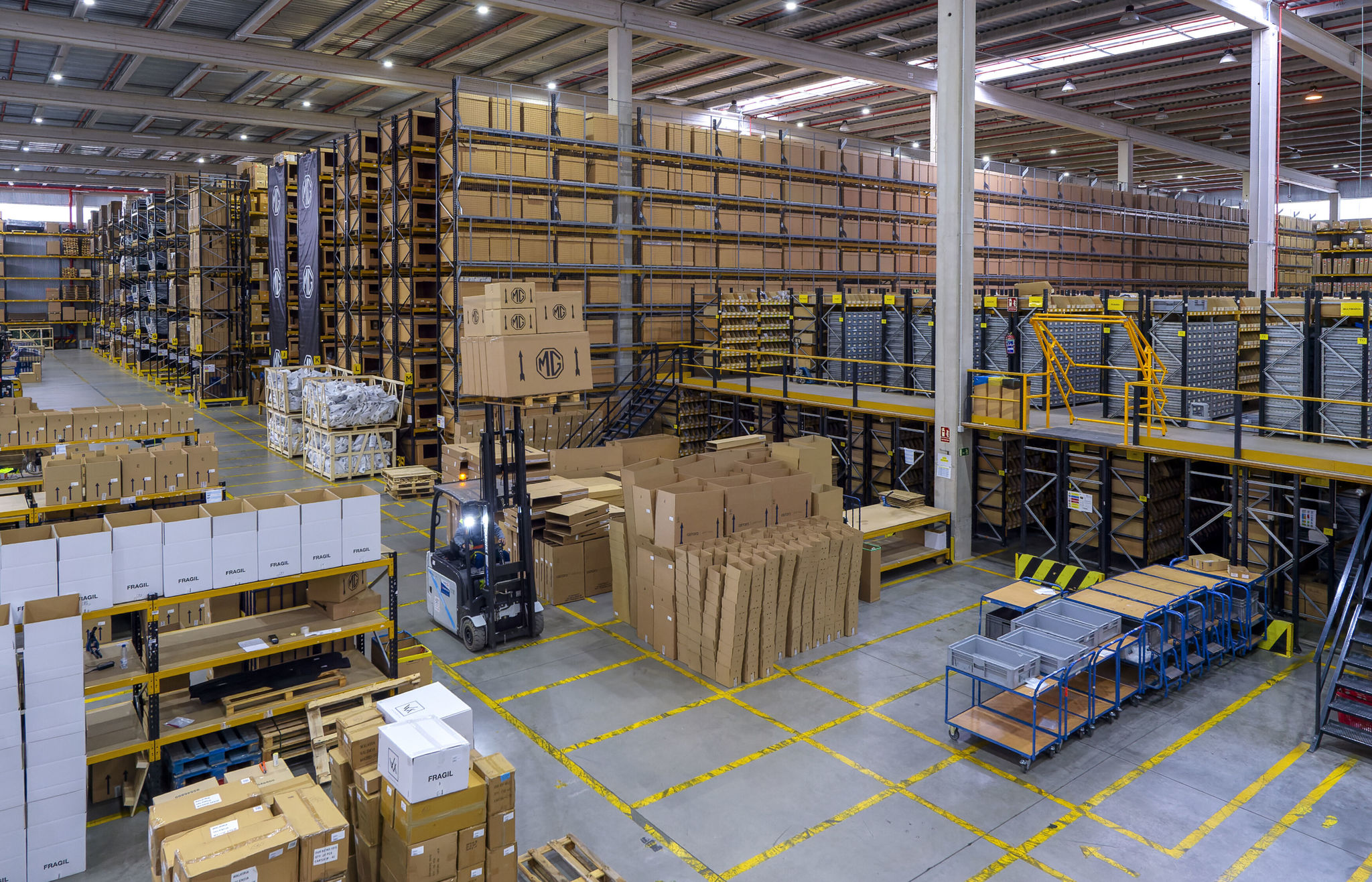
The Spanish logistics ecosystem, a key pillar of the economy, is equipping itself with an unprecedented collaborative framework. The result of intense dialogue between shipper associations (such as the Spanish Logistics Council and AECOC) and operators (including UNO Logistics), the new Code of Good Practices aims to be the instruction manual for a more resilient, efficient, and fair supply chain. It is not a law, but its moral and strategic weight makes it a de facto standard for the sector.
Digitalization, the backbone of the agreement. Following the bottlenecks of previous years, the code prioritizes digital interoperability. It mandates the sharing of key data through standardized platforms and the progressive use of tools like the “Digital Twin” to simulate operations. The goal is to move from reactivity to foresight: a delay in the port of Algeciras should be automatically communicated, allowing goods to be rerouted via Málaga or Valencia before the chain collapses.
Sustainability with letters and numbers. Decarbonization is no longer a slogan but a contractual metric. The document sets the obligation to measure and audit the carbon footprint of operations, providing financial incentives to carriers using low-emission fleets. Furthermore, it promotes “quiet logistics” in urban environments, with nighttime delivery schedules using electric vehicles, a crucial advance for work-life balance and air quality in cities.
Stability in a sea of uncertainty. One of the most celebrated innovations is the price revision clause based on objective indices (such as fuel cost and logistical inflation). This provides financial predictability that SMEs in the sector were desperately demanding. Likewise, minimum contract terms are extended to encourage strategic alliances and discourage sporadic contracting based solely on the lowest price.
Crisis management and shared responsibility. The code learns from the lessons of the past and establishes action protocols for global crises, such as another pandemic or the blockade of a key trade corridor. It defines shared responsibilities in emergency storage and creates mixed contingency committees (shippers-operators) to make agile decisions. Transparency in incident communication is no longer optional.
In short, this code lays the foundation for a new era in Spanish logistics. It represents a shift in mindset: from a transactional and sometimes conflictive relationship to a strategic alliance where collaboration, data, and sustainability are the new currency. Its success will not be measured on paper, but by the sector’s ability to avoid the next crisis, ensuring that goods arrive not only on time, but in a smarter and more responsible way.
Have any thoughts?
Share your reaction or leave a quick response — we’d love to hear what you think!
-
 0
0
-
 0
0
-
 0
0
-
 0
0
-
 0
0
