
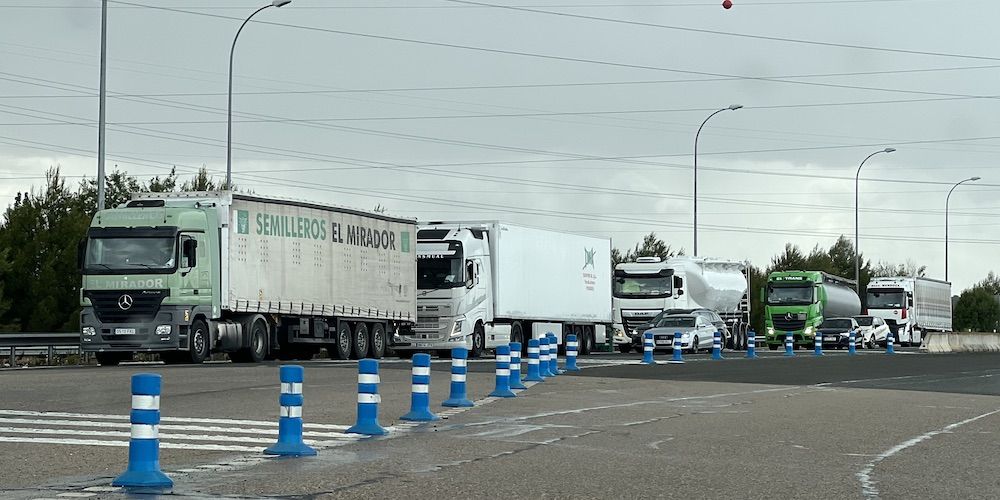
As of September 1, 2025, Romania’s roads have bid farewell to classic physical or virtual vignettes to welcome a revolutionary toll system based on GPS location.
This new model, dubbed “RO-Vignette,” represents the biggest modernization of the country’s road infrastructure funding in the last two decades.
The change is not only technological but also philosophical: the concept of unlimited network access for a set period is being abandoned in favor of a “pay-per-use” model.
How does the technology work? The system relies on a mobile application or an onboard device installed in the vehicle, which tracks the kilometers traveled on toll roads.
At the start of a journey, the driver activates the system, which automatically calculates the fee based on distance, vehicle category, and the type of road used (highway, national road, etc.). Payment is made electronically and without manual intervention, offering a seamless and uninterrupted experience.
The Big News: Fairness and Efficiency. The main innovation of this system is its fairness. Until now, a driver traveling 50 kilometers paid the same as one driving 5,000. With distance-based tolling, you pay strictly for what you use, which benefits occasional users and those making short trips. Furthermore, this model is expected to generate more stable and predictable revenue for the state, specifically destined for the maintenance and expansion of the road network.
Controversies and Challenges on the Road. Despite its advantages, the implementation has not been without debate. The main concerns revolve around the privacy of drivers’ location data and the digital divide for people less familiar with technology.
The Romanian government has guaranteed data encryption and established help centers to facilitate the transition, but the shadow of surveillance and mass adaptation remain the main hurdles to overcome.
A Look at the Road Future. Romania thus positions itself at the forefront of smart tolling in Eastern Europe, following in the footsteps of countries like Germany.
This system not only modernizes transport taxation but also lays the groundwork for future implementations, such as dynamic congestion pricing or incentives for using off-peak hours.
The success of this nationwide pilot project will be crucial, not only for Romania but as a benchmark for its neighbors in the digital transformation of their infrastructures.
Have any thoughts?
Share your reaction or leave a quick response — we’d love to hear what you think!
-
 0
0
-
 0
0
-
 0
0
-
 0
0
-
 0
0
