
The logistical heart of Europe is preparing for a change of era. Faced with the imperative need to decarbonize the economy and comply with the European Union’s demanding climate laws, Germany is orchestrating an unprecedented technological transformation in its freight transport sector.
This is not an incremental adjustment, but a structural overhaul that will render the diesel combustion engine obsolete, replacing it with a dual path towards electrification. The roadmap is already drawn, and its large-scale implementation will begin to become a tangible reality starting this year.
The German strategy is based on two complementary technological pillars. On one hand, Battery Electric Trucks (BEV), ideal for urban and regional distribution. These vehicles, powered by large battery packs, offer zero direct emissions, silent operation, and lower maintenance costs. On the other hand, for the challenge of long-distance heavy transport, Hydrogen Fuel Cell Electric Trucks (FCEV) are emerging. These generate their own electricity on board by combining hydrogen and oxygen, emitting only water vapor and allowing for fast refueling and high autonomy.
This technological duality will materialize in a diversified fleet. In cities and their surroundings, BEVs from brands like Mercedes-Benz, MAN, and Scania will dominate. However, for international routes, the solution will be mixed: electric trucks that recharge while in motion via overhead catenary lines on specific highways will be tested, while hydrogen FCEVs, with ranges exceeding 1,000 km, are emerging as the great revolution.
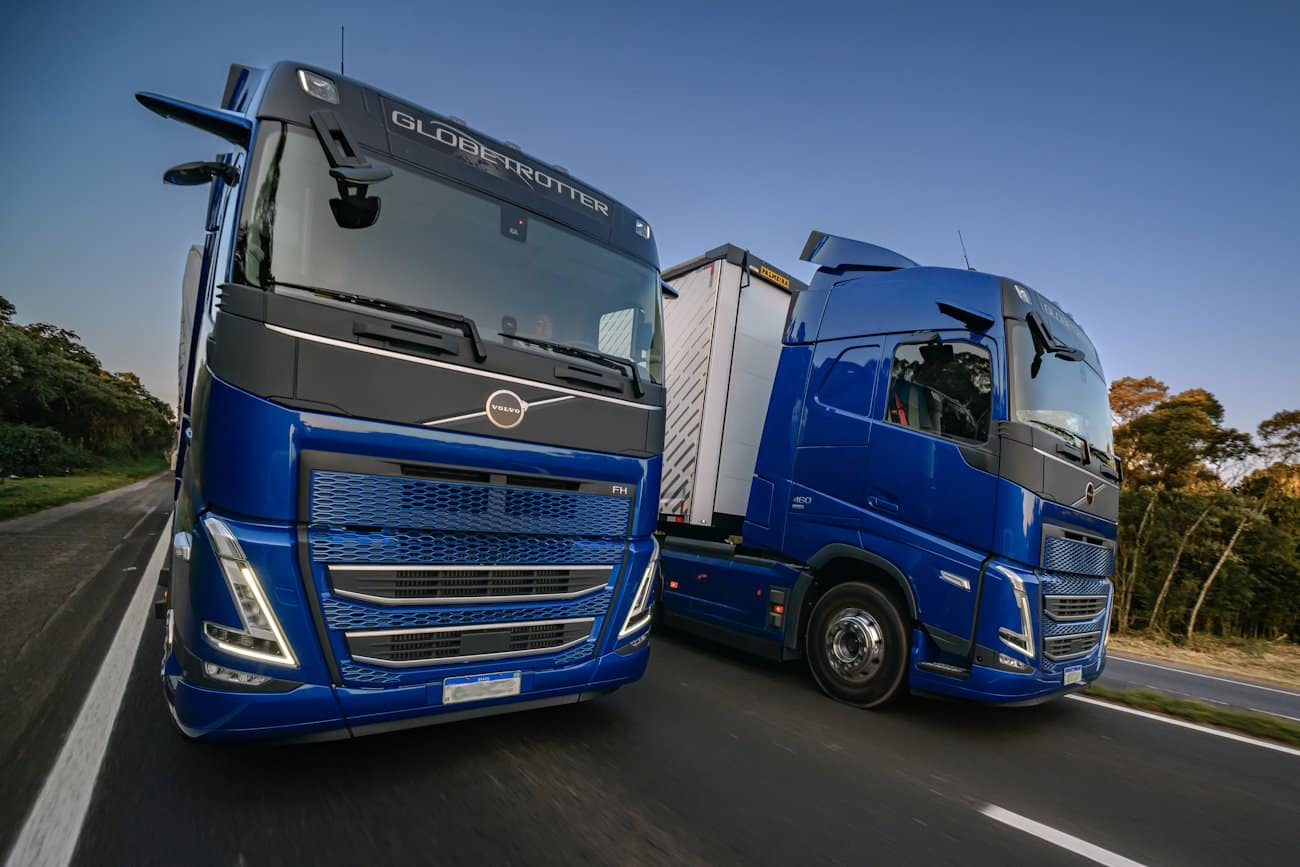
In this scenario, the Swedish giant Volvo Group stands not as just another player, but as one of the main protagonists, thanks to its dual portfolio that includes everything from urban models like the FL Electric to the advanced FH Electric and its fuel cell developments.
The success of this transition depends on the construction of a robust infrastructure network, which begins massive deployment this year. For BEVs, the system will be mixed: overnight charging at logistics depots and, on the road, high-power charging stations capable of injecting energy in less than 45 minutes.
In parallel, hydrogen refueling corridors will be deployed along the main highways, with the goal that no hydrogen truck is more than 150 km from a refueling point.
In this ecosystem, the role of Volvo Group is paradigmatic. Its leadership is not based solely on selling trucks, but on offering comprehensive solutions that include feasibility studies, financing, and charger installation. Through a strategic alliance with Daimler Truck, it is investing billions to bring hydrogen trucks to series production, ensuring its presence in all market segments and facilitating the transition for reluctant hauliers.
In short, Germany is on the verge of a revolution as profound as the shift from animal traction to the engine. Starting in 2025, its roads will be the testing ground for a new logistical paradigm, where electrification – by battery or hydrogen – and brands like Volvo will set the pace.
This transformation not only redefines technology but also consolidates the determination of the European giant to lead a future of clean, efficient, and fossil-fuel-free transport.
Have any thoughts?
Share your reaction or leave a quick response — we’d love to hear what you think!
-
 0
0
-
 0
0
-
 0
0
-
 0
0
-
 0
0
