
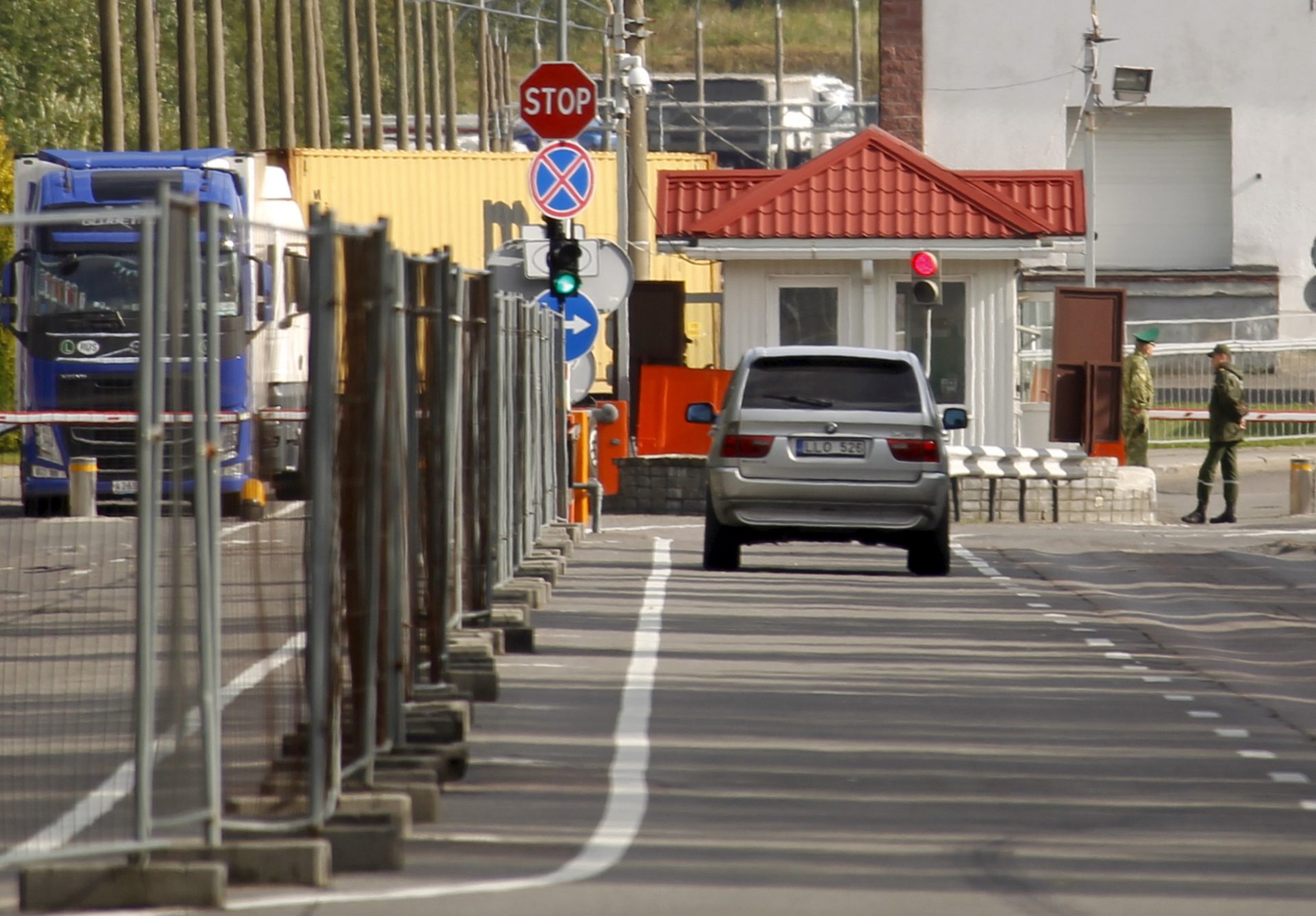
Lithuanian Carriers on Alert Due to Border Closure with Belarus
Vilnius, Lithuania. – Lithuania’s freight transport sector is in a critical situation following the closure of its borders with Belarus, a government measure implemented on October 29 and valid until at least November 30. According to the Transport Diary, the decision was made by the Lithuanian government in response to the entry of mysterious “balloons” into its territory. While authorities attribute these objects to espionage, other media outlets suggest they could be tools for cigarette smuggling, creating a veil of confusion about the true nature of the threat.
The gravity of the situation has led the Lithuanian National Road Carriers Association (LINAVA) to convene emergency meetings. According to information gathered by the Transport Diary, hundreds of Lithuanian trucks remain stranded in Belarusian territory and at border crossings, forcing their drivers to live in their cabs for over a week awaiting a solution. Industry representatives have unanimously warned that this blockade poses a serious threat to thousands of jobs and the stability of the entire transport industry in the country.
Faced with immobility, companies are confronting operational and financial collapse. Carriers warn that if the situation persists, they will be forced to lay off drivers, which would result in a drastic reduction in tax contributions to the state and increased social tension. During the meetings, it was highlighted that neighboring countries such as Poland and Latvia managed to resolve similar logistical problems without completely interrupting the flow of goods, which is why they are demanding urgent and effective action from the Lithuanian government.
As a result of pressure from the sector, the LINAVA Presidium has decided to urgently appeal to the Prime Minister, Inga Ruginienė, and several key ministries, requesting a clear and immediate action plan. As reported by the Spanish publication, the community of operators has emphasized that their goal is not confrontation, but that, without a prompt reaction from the authorities, they do not rule out carrying out warning protests to make their discontent visible.
Beyond the logistical impact, this incident fits into the tense geopolitical landscape of the region. The border closure is seen by many analysts as another consequence of the deteriorated relationship between the European Union and the government of Belarus, a context where logistics and transport become hostages to broader political disputes. While the balloons remain unidentified, it is the carriers and the Lithuanian economy who bear the immediate consequences of this crisis.
Have any thoughts?
Share your reaction or leave a quick response — we’d love to hear what you think!
-
 0
0
-
 0
0
-
 0
0
-
 0
0
-
 0
0
