
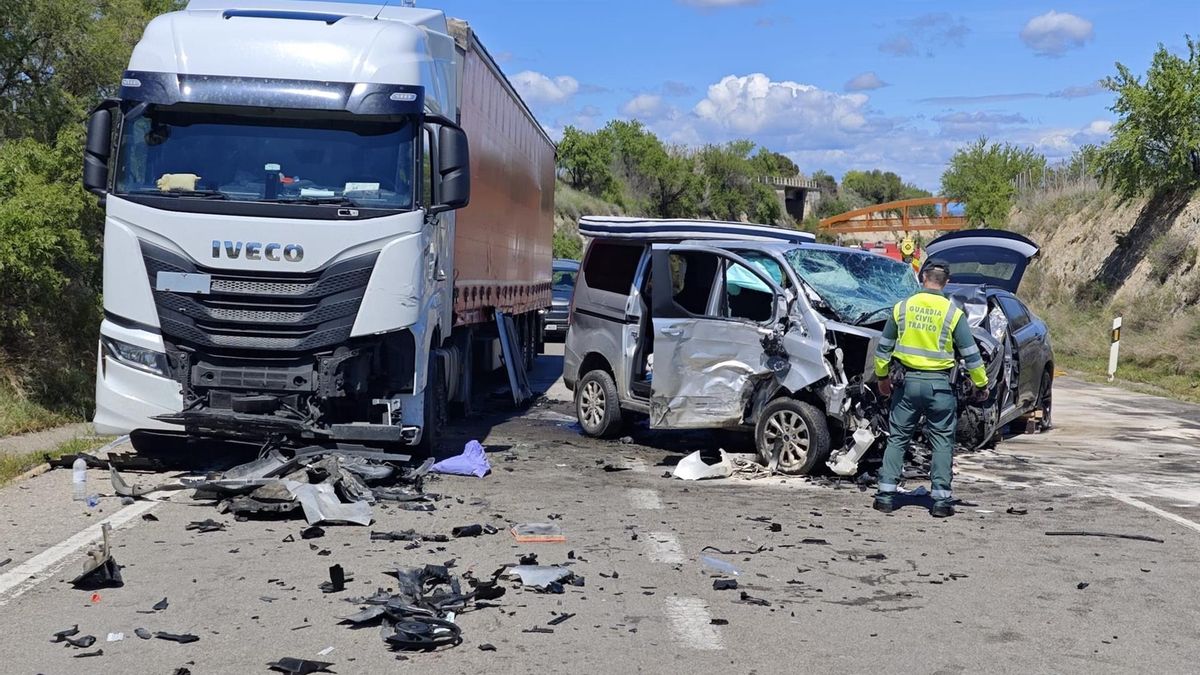
The consumption of alcoholic beverages, including beers and liquors, triggers a physiological process whose effects are almost immediate and devastating for driving. Within minutes of consumption, alcohol passes directly from the stomach into the bloodstream, reaching its maximum blood level between 30 and 90 minutes later. Far from being a stimulant, it is a powerful depressant of the central nervous system that interferes with the brain’s communication pathways. This translates into a false sense of security, a dangerous decrease in reflexes, and poor coordination between sight and movement, making it impossible to correctly calculate distances or react in time to an unforeseen event.
Internationally, although there is no single code for all countries, there is a general consensus on the need to strictly regulate this behavior. Most nations establish a maximum blood alcohol concentration (BAC) limit, which usually hovers around 0.5 g/l for general drivers, although with significant variations. For example, while countries like Finland or France apply this limit, others like Brazil or Sweden opt for a zero-tolerance policy (0.2 g/l or lower). This regulatory diversity reflects a common goal: to combat a phenomenon that exponentially multiplies the risk of an accident. In fact, research shows that with a rate of 0.5 g/l, the risk of an accident doubles, and with a rate above 1.2 g/l, the consequences are often tragically fatal.
The reality of accident rates in Spain, in light of the most recent data, is alarming and demands deep reflection. According to the 2024 Report of the National Institute of Toxicology, alcohol remains the most detected substance in deceased drivers, being present in 34.4% of cases, which represents an increase from the previous year. Worse still, almost half of the drivers who died on the road (48.2%) tested positive for alcohol, drugs, or psychotropic medications. These are not mere statistics; they are lives cut short and families shattered by a lethal combination that, in many cases, could have been avoided with a timely decision. Spain, which is moving towards legislation more in line with European recommendations, is currently processing the reduction of the maximum legal limit to 0.2 g/l, a measure that in countries like Sweden has been shown to reduce accident rates by 12%.
According to a report from the General Directorate of Transport in Spain, published by the digital site Transporte 3, “the number of deaths in trucks up to 3,500 kg rose to 17 in 2025, the highest figure this decade.”
“In the case of trucks over 3,500 kg, according to this consolidated data, 41 people had died, which represents an increase of 17.14% compared to the previous evaluated period.”
“Overall, there were 58 fatalities in truck accidents, thus breaking the positive trend of the previous two years. The increase represents 28.88% more than in 2024 and 23.4% more than in 2023.”
Given this scenario, one wonders if the current legislation is sufficient or if a toughening of penalties and controls is necessary. Although Spanish law already classifies driving with rates above 1.2 g/l as a criminal offense and the DGT (Directorate General of Traffic) carries out campaigns with more than 35,000 daily checks, the persistence of these figures indicates that the battle cannot be won with fines alone. The loss of life and the enormous material damage that occurs each year demand more rigorous legislation and, above all, greater social awareness. We cannot allow “if you drink, don’t drive” to become an empty slogan.
Therefore, the appeal to drivers is clear and direct: the only safe rate is 0.0%. It is not just about complying with the rule to avoid a penalty, but about assuming the responsibility that getting behind the wheel after having consumed alcohol is a decision that can be fatal. A trip home is not worth a life. Before toasting, we must think about how we will get back. Let’s plan for a designated driver, use public transport, or simply wait the necessary time for the effects to wear off. The road is unforgiving, and a moment of fun cannot become an eternal tragedy.
Have any thoughts?
Share your reaction or leave a quick response — we’d love to hear what you think!
-
 0
0
-
 0
0
-
 0
0
-
 0
0
-
 0
0
