
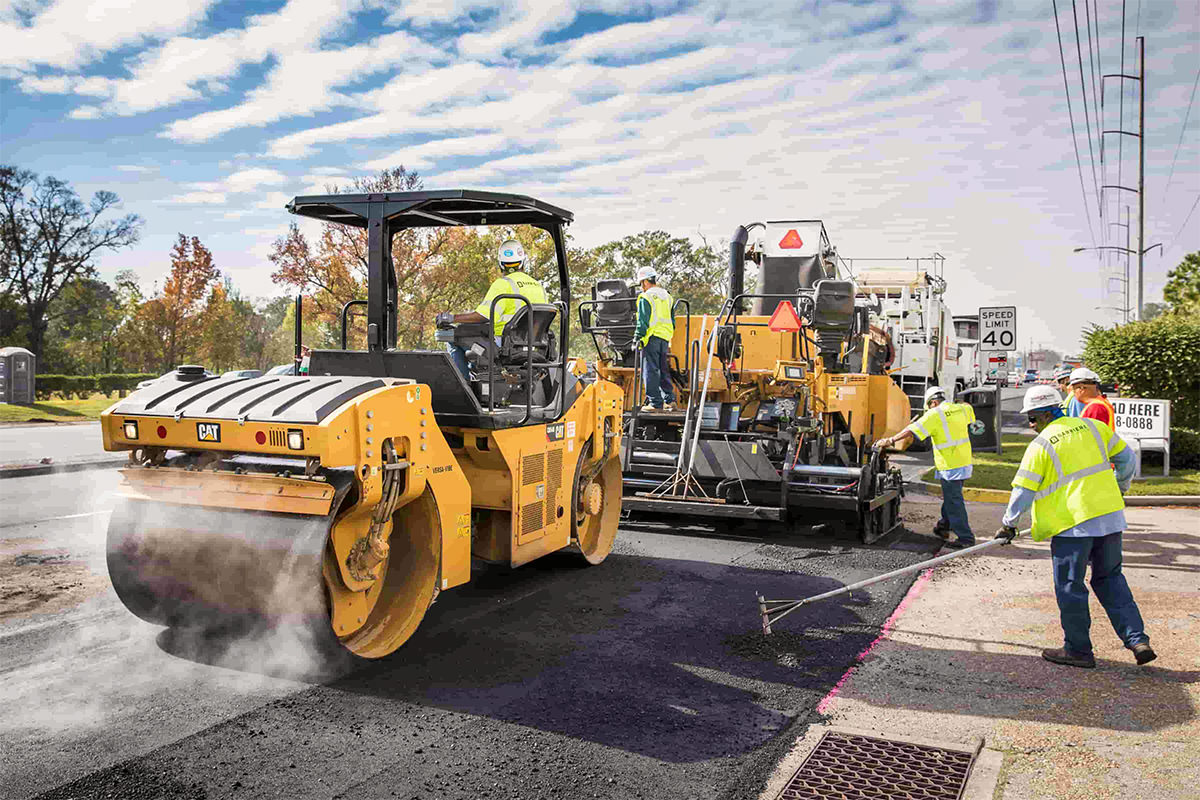
The maintenance of roads and communication routes is a fundamental pillar for the economic development of any territory. A road network in optimal condition not only facilitates efficient commercial exchange, allowing goods to reach their destination within the stipulated time frames, but also acts as a protective shield for driving professionals. When the asphalt is deficient, the risks of traffic accidents multiply, the wear and tear on transport equipment and fleets increases, and company profitability is compromised. Therefore, guaranteeing the conservation of these logistical axes is synonymous with economic competitiveness and social responsibility towards drivers.
In this context, the Valencian Federation of Transport and Logistics Entrepreneurs (FVET) has raised its voice to denounce the chronic deficit suffered by the road network of the Valencian Community. According to the employers’ association, the neglect of the roads is comparable to that of the railway, generating a dangerous cocktail of road insecurity and operational cost overruns. Carlos Prades, president of FVET, was blunt in pointing out that, although the community would need an annual investment of 200 million euros in conservation, last year not even 50 percent of that figure was reached. This situation, far from improving, is aggravated by unforeseen phenomena that severely punish the infrastructure.
The latest funds announced by the State, amounting to 47.3 million euros to be distributed over three years for roads such as the AP-7 or the N-332, are clearly insufficient in the eyes of the sector. Prades regrets that critical and already collapsed infrastructures such as the Bypass or the V-30 have been left out of these action plans. This lack of foresight and structural maintenance not only strangles the day-to-day running of transport but also leaves the Valencian road network in a position of maximum vulnerability to any climatic eventuality.
And that eventuality has a name: DANA. This meteorological phenomenon, whose acronym stands for “Depresión Aislada en Niveles Altos” (Isolated Depression at High Levels), consists of a mass of cold air that separates from the intense currents of the atmosphere and becomes surrounded by much warmer air. Upon coming into contact with the surface humidity of the Mediterranean, it generates extreme instability that causes violent storms and torrential rains in a matter of hours. In the province of Valencia, the lashing of the DANA has been an aggravating factor that has highlighted the fragility of infrastructures already weakened, leaving an estimated bill exceeding 2.6 billion euros just to restore the damage to transport.
Added to this structural precariousness is a historical shortfall that directly affects the quality of life of professionals: the shortage of service and rest areas for heavy goods vehicles. This lack of adequate spaces makes it difficult to comply with mandatory driving and rest times, reduces safety during night operations, and has a negative impact on the physical and mental health of drivers. The absence of these basic facilities turns each working day into a logistical and human challenge.
From the FVET, integrated into the Spanish Confederation of Freight Transport (CETM), the demand is clear and urgent: “we want an emergency plan for our roads, which are congested, in poor condition and with major deficiencies”. Road transport, whether for goods or passengers, cannot continue to be the great forgotten aspect of public policies. It is no coincidence that traffic accidents continue to be among the top five causes of unnatural death in Spain, a scourge that a road surface in good condition and resilient infrastructures could help combat effectively.
Have any thoughts?
Share your reaction or leave a quick response — we’d love to hear what you think!
-
 0
0
-
 0
0
-
 0
0
-
 0
0
-
 0
0
