
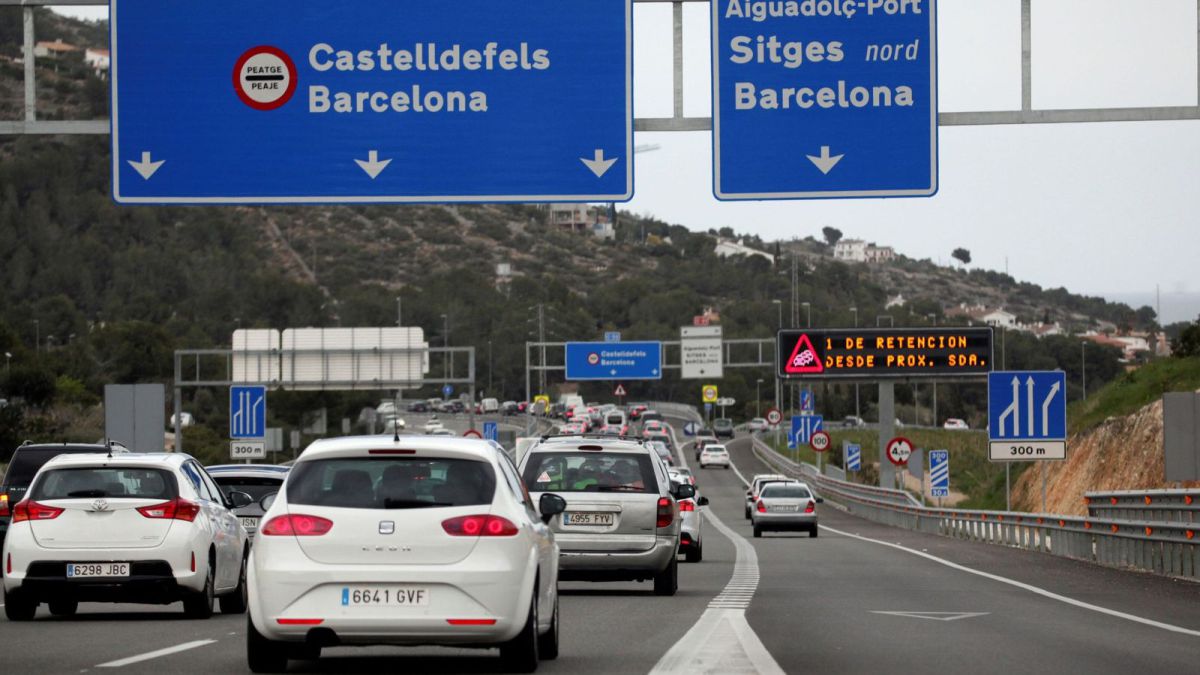
The road transport sector in Spain is preparing for an unprecedented transformation throughout 2026. With the entry into force of a package of key regulations, companies are facing an inflection point that redefines everything from road safety to administrative management, driven by mandatory digitalization and European directives. This year will mark the line between the traditional way of operating and a fully connected and traceable future.
One of the most visible and symbolic changes will arrive on January 1st: the definitive disappearance of warning triangles. They will be replaced by the connected V16 beacon, a device that, once activated, automatically sends the location of the broken-down vehicle to the DGT 3.0 platform. This technological leap, mandatory for trucks, vans, and fleet vehicles, aims to eliminate the risk for drivers of having to exit the vehicle to place the triangles, radically improving road safety.
In parallel, the package of physical documents accompanying each shipment will become a thing of the past. The electronic consignment note (eCMR) will become established as the national and international standard, and the electronic Control Document will become mandatory before October 5th. This comprehensive digitalization will enable real-time inspections, eliminate errors and delays, and generate absolute traceability for the journey. As Carlos García, a logistics consultant at INEKA Business School, points out, “The mandatory use of the eCMR and the digital document is not just a change of medium; it is the backbone for agile, transparent, and competitive logistics in Europe. Companies that do not integrate these systems into their TMS will be left out of the game.”
Digitalization will also reach the cab with the second-generation smart tachograph (G2V2), mandatory from July 1st for light vehicles (2.5-3.5T) performing international transport or cabotage. This device will automatically record border crossings and facilitate remote inspections, combating driving time fraud. This change, along with the progressive application of the 44-ton limit for certain vehicle combinations, will force companies to review their fleets and plan routes and loads with new efficiency parameters.
Although with a temporary respite, the VeriFACTU system is already looming on the regulatory horizon, postponed to 2027, which will automate the sending of invoices to the Spanish Tax Agency (AEAT). This set of measures paints a demanding but opportunity-filled scenario for 2026. Companies that embrace this digital transition will not only comply with the law but will also gain in efficiency, safety, and control, ensuring their viability in an increasingly regulated and connected market.
Have any thoughts?
Share your reaction or leave a quick response — we’d love to hear what you think!
-
 0
0
-
 0
0
-
 0
0
-
 0
0
-
 0
0
