
The dangerous goods transportation sector in Spain is facing its most profound transformation in years.
Starting in January 2026, the entry into force of new technical and operational regulations, aligned with European standards, will require a comprehensive readjustment. This change is not a mere update, but a shift that will affect product classification, vehicle requirements, digitalization, and intensified controls, creating a new scenario where prior preparation will be key to operational continuity.
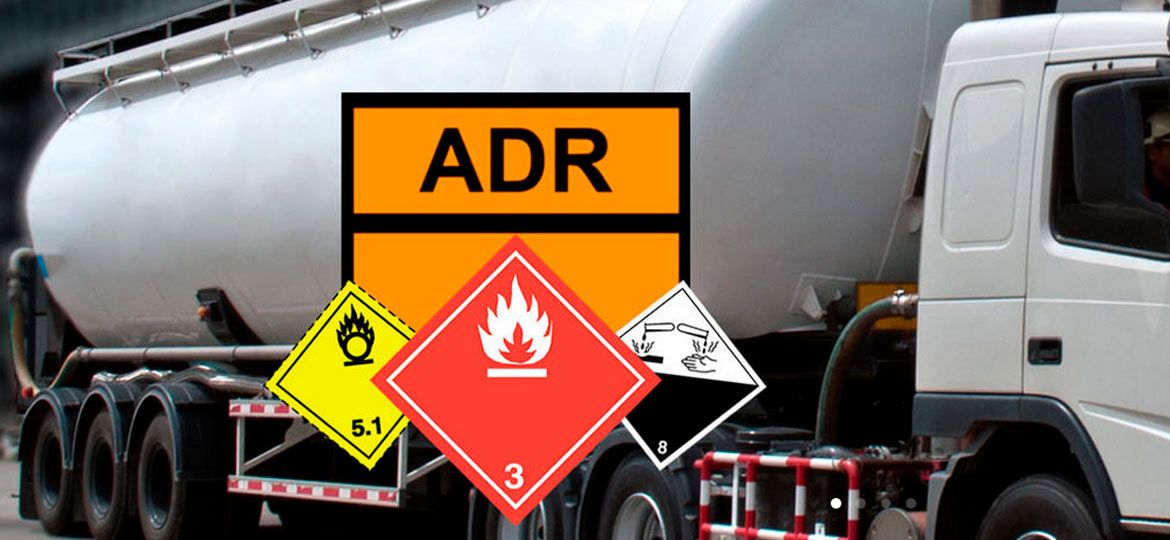
One of the central pillars is the update of the ADR Agreement, which introduces crucial modifications to daily operations. The reclassification of certain products, with new UN codes, will require meticulous review of all documentation before each journey. Furthermore, the focus intensifies on high-growth, high-risk goods, such as lithium batteries and transported electric vehicles. Requirements for signage (orange panels, labels) and on-board safety equipment (ADR kits) will be inflexible, making every detail a potential inspection point.
Digitalization will mark a point of no return. Starting October 5, 2026, the control document and the consignment note (CMR) must be managed in electronic format, ending the paper era. This leap, while promising greater traceability and agility in inspections, poses a technological challenge for companies, which must integrate these formats into their management systems (TMS/ERP). Digital agility does not eliminate responsibility: an error in a data field will have the same or greater consequences as a poorly filled-out paper form.
Added to these demands are technological innovations and structural changes. In July, light vehicles (2.5-3.5t) in international or cabotage operations must incorporate the new G2V2 smart tachograph, which allows for remote inspections and improves traceability. Simultaneously, the regulation allowing circulation of up to 44 tonnes in certain configurations will be progressively applied, forcing exhaustive technical checks of brakes, axles, and tires, redefining load planning.
In this new context, roadside inspections will be more rigorous and detailed. Inspectors will verify with millimeter precision the correspondence between labels, digital documentation, and cargo. A dirty panel or a misplaced label, details perhaps overlooked before, could lead to immediate sanctions or immobilizations. The message is clear: the margin for carelessness has run out. Facing an unappealable calendar, the early adaptation of fleets, processes, and training is not an option, but the only way to operate with guarantees in a market where every error will weigh more than ever.
Have any thoughts?
Share your reaction or leave a quick response — we’d love to hear what you think!
-
 0
0
-
 0
0
-
 0
0
-
 0
0
-
 0
0
