
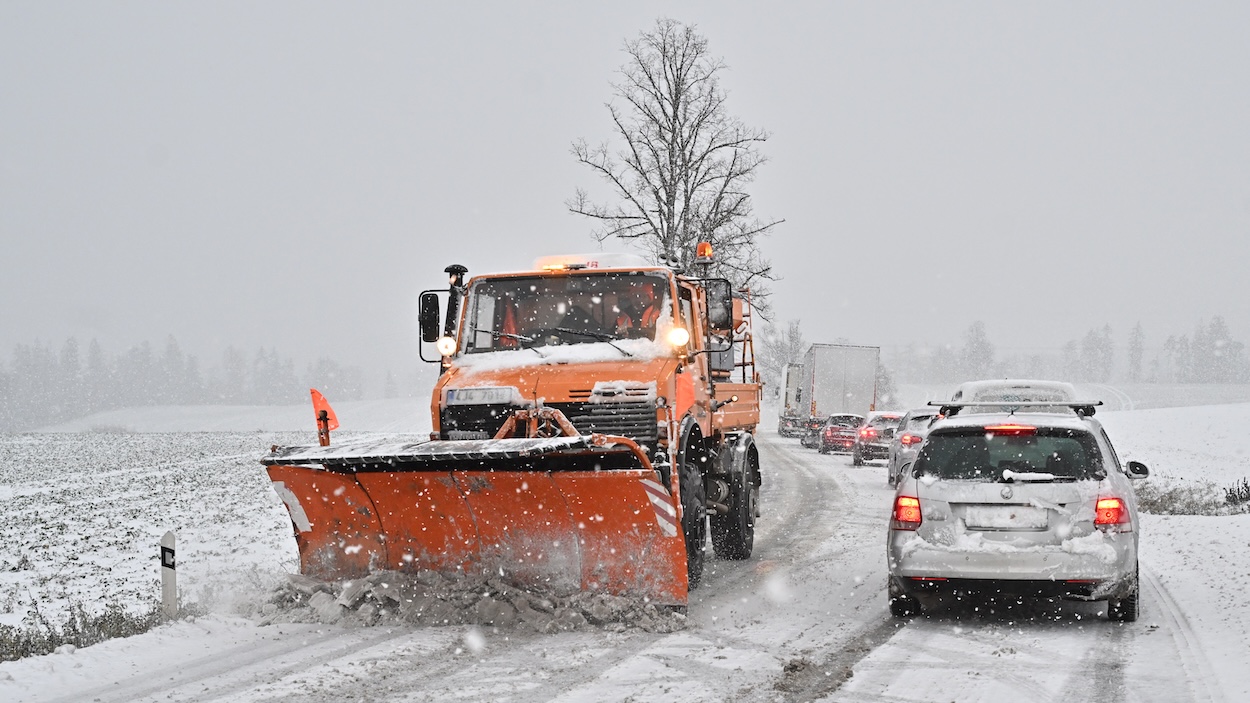
The arrival of winter in Europe spreads a blanket of cold that, beyond the picturesque postcard, represents a scenario of extreme adversity for a fundamental pillar of the economy: drivers of large vehicles. With temperatures plummeting across the board, these professionals face a multidimensional battle against the elements. Roads turn into treacherous tracks due to black ice – that almost invisible enemy – compacted snow, and drastically reduced visibility from blizzards and fog banks. Every kilometer traveled demands maximum concentration, turning familiar routes into tests of endurance and skill where the margin for error is dangerously reduced.
Beyond the immediate risk of accidents, the harshness of winter imposes complex logistics and severe working conditions. Unexpected blockages in mountain passes, such as the Alps or the Pyrenees, or on northern European highways, can leave drivers stranded for hours or even days, with consequent disruption to supply chains. At the same time, life in the cab during a cold wave becomes spartan: heating systems that may fail, difficulties in accessing hot food and basic services, and heightened social isolation test the physical and mental resilience of workers whose job is, paradoxically, more crucial the more extreme the conditions.
Facing this panorama, the adoption of rigorous preventive measures becomes a safety and efficiency imperative. Preparation begins with the vehicle: thorough checking of winter tires or chains, antifreeze fluids, batteries, brake systems, and cabin and fuel tank heating. Driver training is equally critical; they must be trained in techniques for driving on slippery surfaces, managing emergency situations, and knowing the protocols for action during snow alerts. Likewise, meticulous route planning, consulting real-time weather reports and road conditions, is an indispensable tool. Technology, through specific applications and communication devices, becomes a vital ally.
In short, the European winter subjects heavy transport drivers to exceptional stress, revealing the vulnerability of a logistics chain in the face of nature’s force. Their work behind the wheel under these conditions is not just a job, but an exercise in professionalism and fortitude. Ensuring their safety through flawless technical preparation, continuous training, and adaptive logistics is not only a corporate responsibility but a collective necessity. The flow of goods during the cold months ultimately depends on the ability to turn the challenge of cold into a variable managed with respect and foresight.
Have any thoughts?
Share your reaction or leave a quick response — we’d love to hear what you think!
-
 0
0
-
 0
0
-
 0
0
-
 0
0
-
 0
0
